Animals can make a story memorable, but they also introduce needs that must shape the schedule, location, casting, and safety plan. A trained handler should be involved before the creative is promised so the production can design achievable behavior and protect the animal, cast, crew, and public.
Design the scene around animal welfare
Confirm the species, behavior, environment, travel, rest, temperature, noise, and interaction required for every shot. Follow current filmed media guidance and the handler's direction, build in alternatives, and never force a performance when conditions change or the animal shows stress.
W.C. Fields famously advised never to work with children or animals. While the chaos of the unexpected can make for memorable stories, it also makes for unpredictable shooting days. But when your commercial script calls for animals, there’s a way to manage the chaos and keep your production on track.
Shooting with Animals Is All About Preparation
Start by hiring a professional animal wrangler. These are trained experts who handle animals on set for commercials, television, film, live events, theater, and even opera. Wranglers typically specialize in specific types of animals. You may need someone who works exclusively with dogs, cats, birds, reptiles, insects, horses, or farm animals. Matching your project with the right specialist is the first step to a smooth shoot.
Casting Your Animal Talent
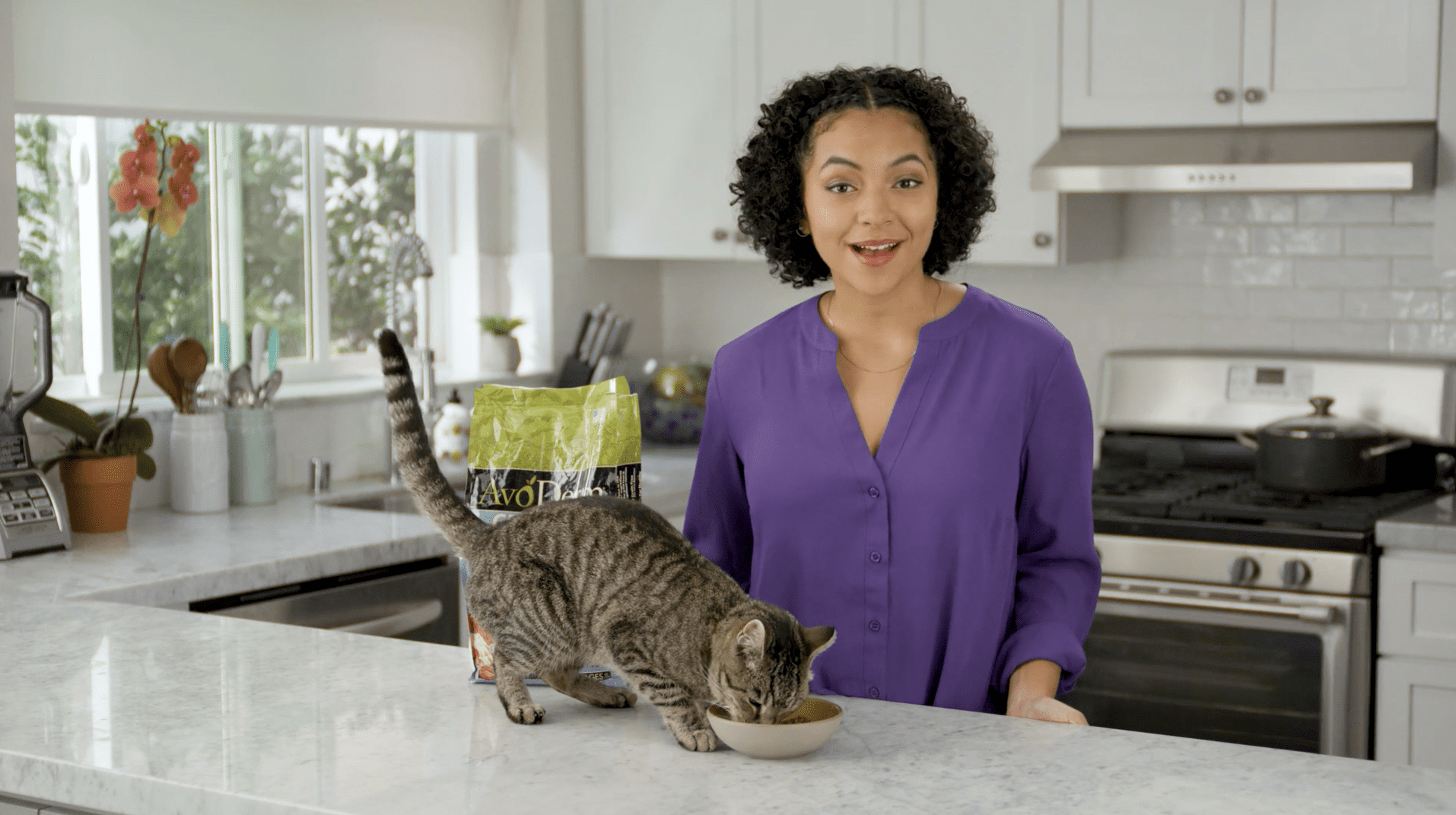
Just like human actors, animals need to be cast. But unlike actors, they often come in teams. If your shoot requires a grey tabby, for example, a wrangler might bring three nearly identical cats. This allows the wrangler to rotate them during the day so one can rest while the others are on camera.
The wrangler is usually responsible for supplying these animal teams. They’ll offer options, photos, videos, and behavior notes, allowing your team and your client to weigh in and make a selection.
Build the Schedule Around the Animals
One of the biggest adjustments in a production that involves animals is scheduling. Wranglers charge portal to portal, meaning their clock starts the moment they leave for set and ends when they return home. More importantly, animals don’t work full eight hour days. They need breaks, quiet time away from camera and crew, and shorter work sessions.
The animal wrangler must be included in scheduling conversations. They’ll have the best understanding of how long each shot is likely to take. Coordination between the wrangler and the first assistant director (1st AD) is critical. The AD will incorporate these constraints into the call sheet and shooting schedule, making sure the needs of the animals are factored into the day’s plan.
The Beauty of a Trained Animal Performance
When it works, it really works. Watching a professionally trained animal hit its mark, follow cues, and deliver a performance that delights your client is one of the best things you can experience on a shoot. It takes patience, expertise, and careful planning, but the payoff is worth it.
A wrangler's involvement can be the difference between a frustrating day and a successful one. Listening to their guidance and treating the animals as true performers helps ensure you capture the shots you need, without unnecessary stress on the cast and crew.
There’s a Union Side to Wrangling Too
Some wranglers belong to unions depending on the production. For larger shoots, particularly those under union contracts, it’s important to know which locals cover these roles. The International Alliance of Theatrical Stage Employees (IATSE) covers many animal handlers, especially on scripted and studio work. Some productions with heavy assistant directing involvement may also fall under DGA jurisdiction. And for projects involving stunts or specialty camera work, collaboration across departments like camera, grip and lighting, or art direction may be required.