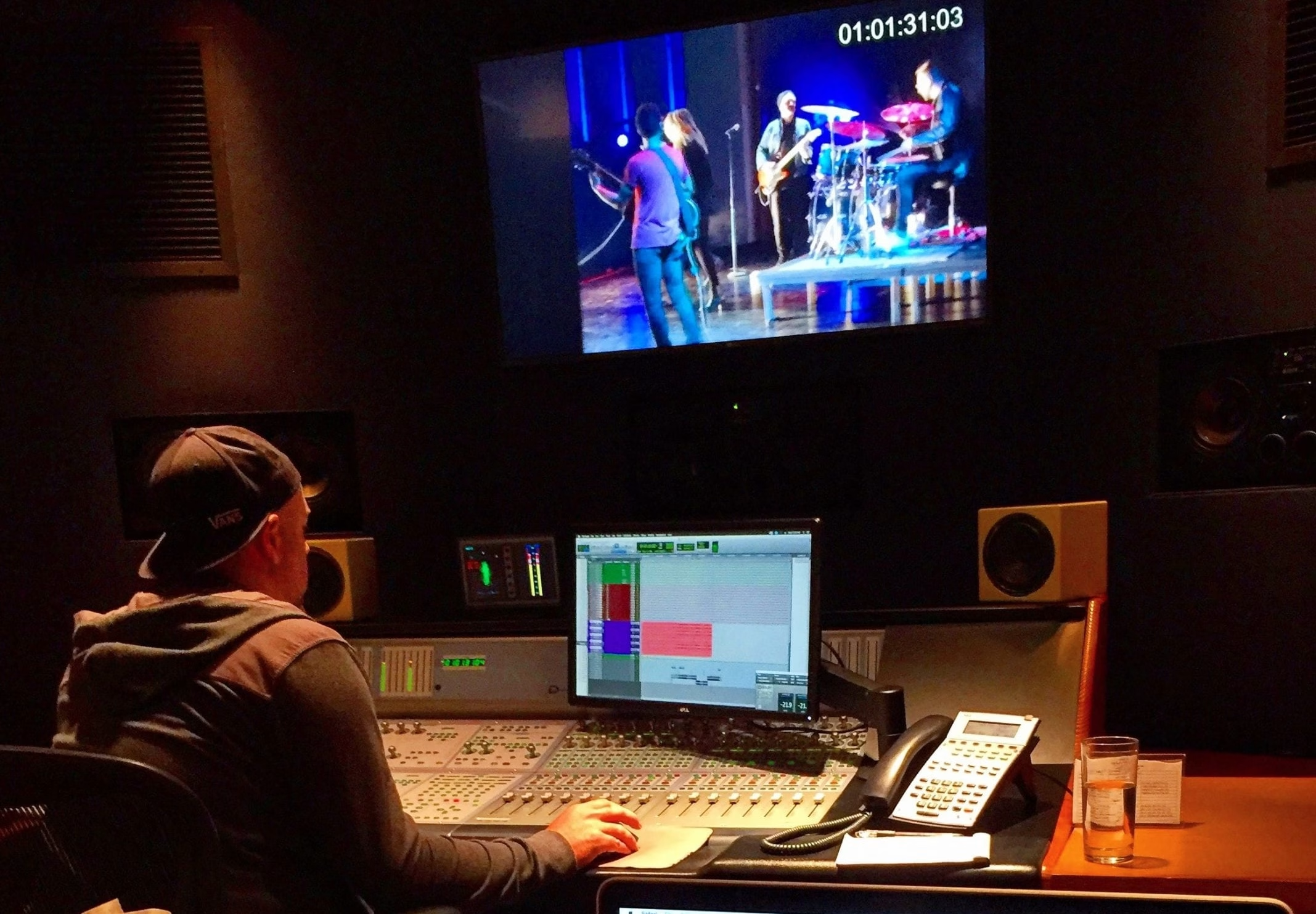
Motion control earns its place on a production when repeating a camera move makes the finished sequence possible. For Capitola Media’s Microsoft corporate event sizzle, it helped connect original live-action footage with an extensive motion-graphics and compositing treatment.
What the Microsoft project required
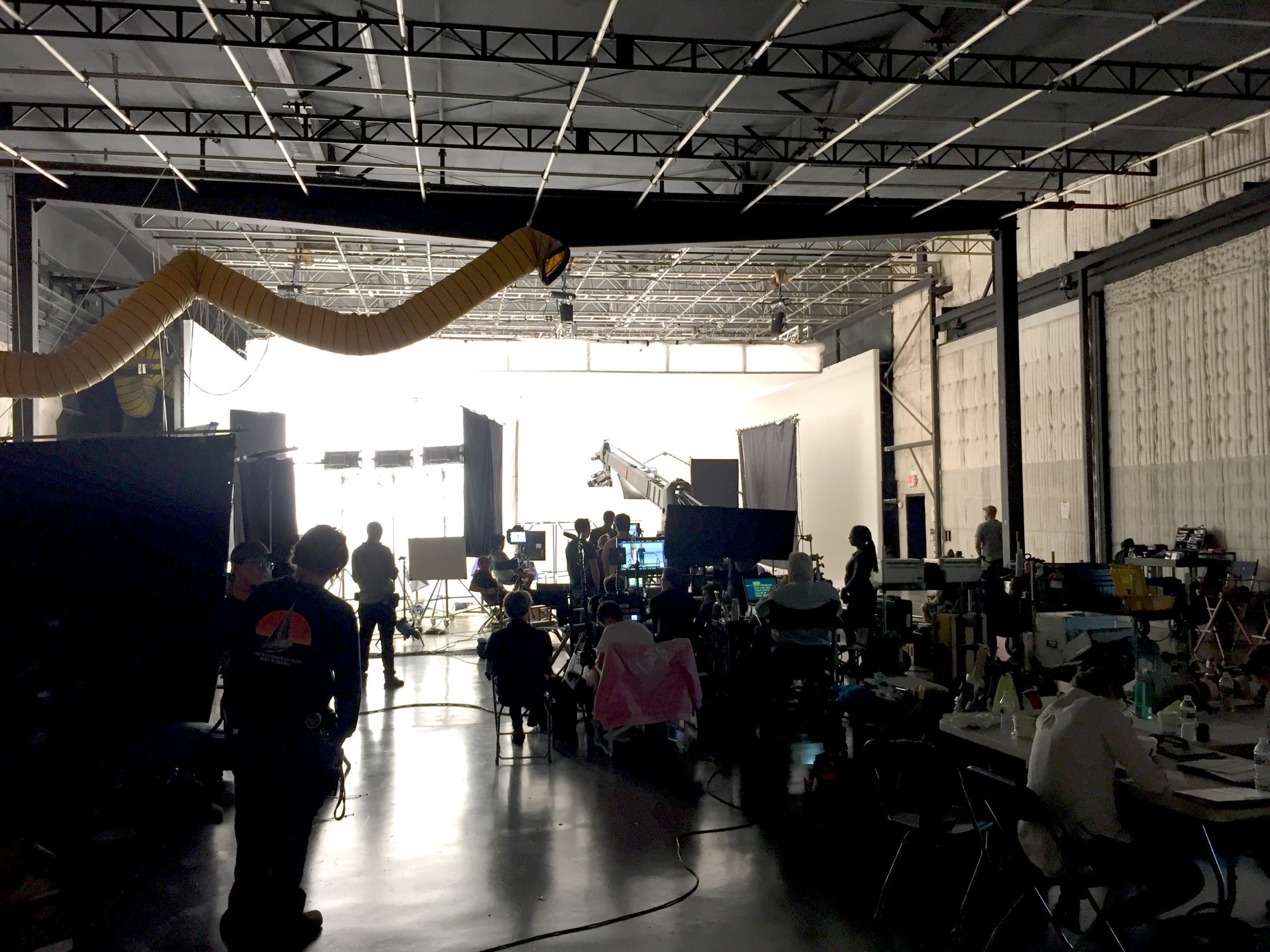
The film combined staged live action, skateboarding and graphics in a fast-moving event piece. We filmed part of the production at the Kerner/Lucas stage in San Rafael, using a motion-control camera for repeatable moves. A separate location setup featured professional skateboarders at a park in Pacifica.
The stage work called for consistent plates that could support graphics and transitions in postproduction. Repeatable camera movement gave the compositing team a more controlled foundation for combining those elements. That requirement helped shape how we planned the shoot.
Repeatability is only part of the work
Every live-action shot in this project required extensive rotoscoping. Separating subjects from their backgrounds allowed the postproduction team to build layers, reposition elements and develop transitions around the action.
Motion control did not remove that work. It addressed camera consistency; rotoscoping and compositing addressed how the photographed elements would fit together. The production and postproduction plan needed to account for both.
Where the TechnoDolly fits
The TechnoDolly is one option for programmable, repeatable camera movement. The useful question is whether a shot needs a repeatable path, timing and camera position—not whether a more elaborate rig will automatically make it better.
For a new sequence, the director, camera team and visual-effects team should agree on the move and the required passes before selecting the equipment. Lens choice, working space, camera payload, floor conditions and the planned compositing approach all affect that decision.
Budget for preparation and postproduction
Programming, testing and rehearsing a move take time. A production should allow for those steps, the appropriate crew and equipment, and any clean plates or additional passes the effects team needs. Motion control can make a planned composite more reliable, but it does not guarantee a shorter shoot or a cheaper finish.
Our motion graphics and animation service covers the related design and postproduction work. As the Microsoft film demonstrates, the strongest reason to choose a capture method is a specific need in the finished sequence.