Professional video production has moved from specialized hardware and linear facilities toward flexible digital systems that connect cameras, sound, editorial, graphics, color, review, delivery, and archive. Each generation makes some work faster or more accessible, but it also creates new formats, dependencies, security questions, and training needs.
The useful lesson is not that one tool changed everything. It is that creative teams must design a dependable workflow around the story, people, risk, and final use.
Digital cameras changed acquisition and set practice
Modern cameras can record high resolution images, wide dynamic range, Log profiles, RAW or production codecs, metadata, and synchronized sound in compact systems. Those capabilities expand creative options, but they also increase the importance of exposure discipline, color management, media planning, monitoring, backup, and a clearly defined post path.
Small cameras and stabilized systems also opened new movement and location possibilities. The right camera is still the one that fits the image, crew, environment, schedule, and delivery rather than the longest specification list.
Software made post production more connected
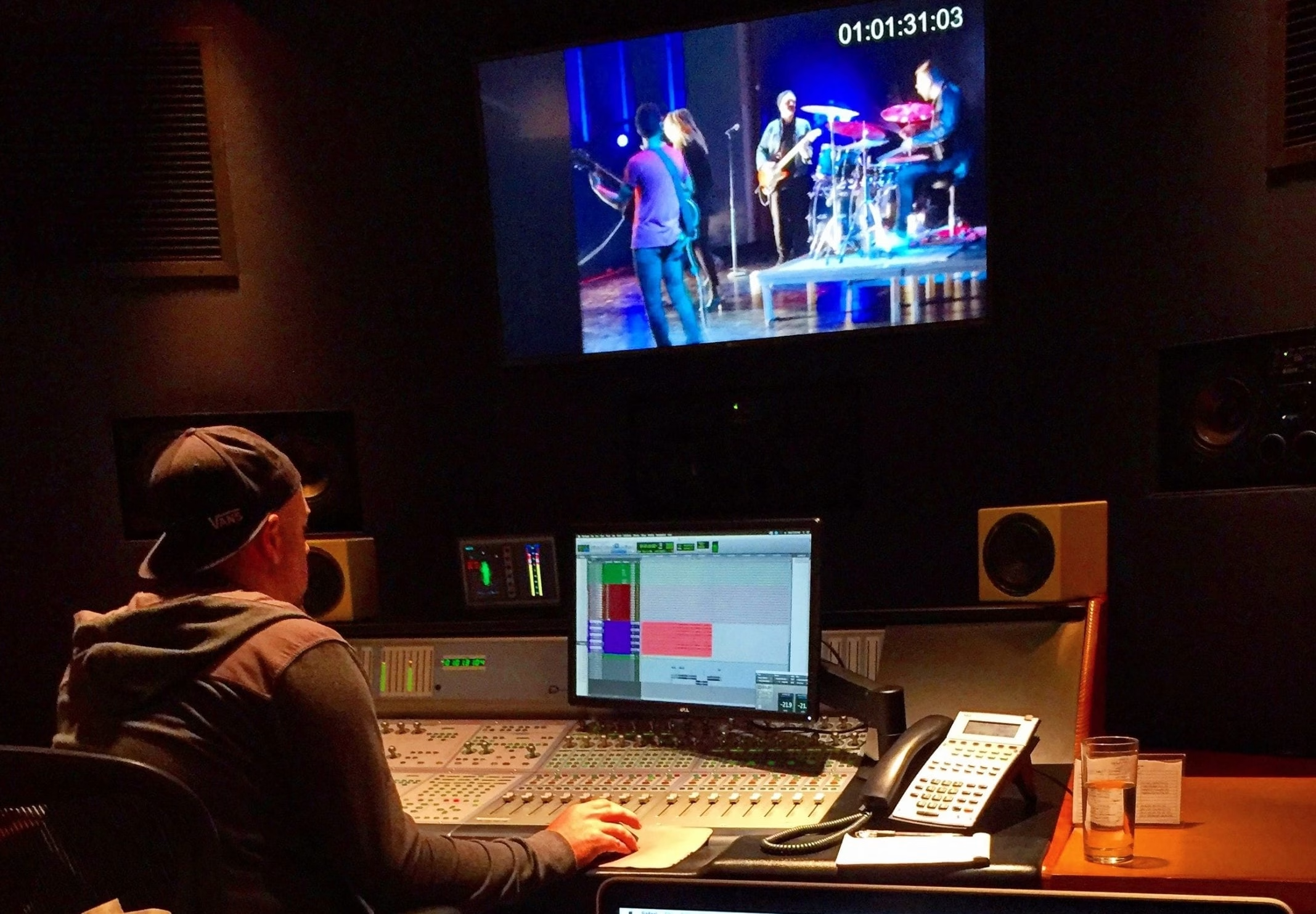
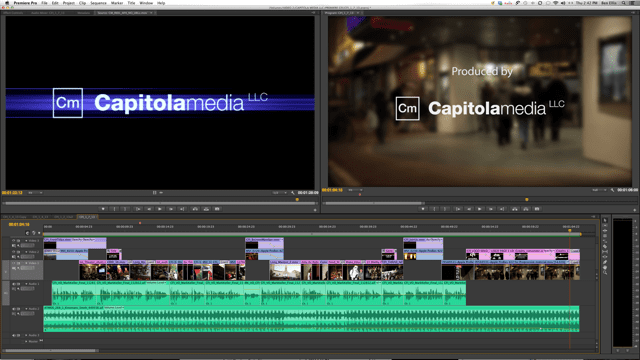
Nonlinear editing, integrated graphics, digital color, audio tools, proxies, shared storage, and exchange formats allow teams to move quickly among creative stages. The benefit depends on consistent project organization, naming, frame rate, timecode, color information, version control, and tested handoffs. Capitola Media's technology video production work treats the pipeline as part of the production design, especially when products, interfaces, graphics, and demonstrations must remain synchronized.
Remote collaboration changed review and staffing
Cloud review, accelerated transfer, remote edit access, live streaming, and networked production tools let specialists and stakeholders contribute from different locations. They also require decisions about permissions, watermarking, confidential material, internet reliability, local recording, color consistency, feedback authority, and what happens when a connection fails. For consulting and professional services firms, remote workflows can reduce travel while preserving access to distributed experts, provided the capture and review experience is planned rather than improvised.
Virtual production connects physical and digital sets
Real time engines, camera tracking, LED stages, previsualization, and in camera visual effects can place performers within responsive environments and provide useful lighting and reflections. These methods can improve control and iteration, but they shift work earlier into asset preparation, technical testing, stage calibration, lens tracking, and coordinated art direction. Conventional locations, practical sets, green screen, and post compositing remain valuable. The choice should follow the shot and production problem.
AI adds assistance and new responsibilities
Machine learning and generative tools can support transcription, search, cleanup, masking, translation, ideation, versioning, and selected image or sound creation. Teams still need human judgment, consent, rights review, security controls, accuracy checks, brand governance, disclosure decisions, and records of how material was created. Production based in the San Francisco Bay Area often serves organizations close to emerging technology, making it especially important to separate a useful workflow improvement from an untested claim or avoidable risk.
Choose durable workflows, not permanent favorites
Tools will continue to change. Preserve open and well documented handoffs, high quality masters, source media, licenses, captions, transcripts, and project records. Test upgrades before a critical deadline, train the team, and maintain a recovery path. Technology creates value when it makes the story clearer, the collaboration safer, or the production more reliable.
Production Context: Deloitte 5G video produced in 16K
Our Deloitte 5G Service Video Produced in 16K was built for a large-format 16K display. The assignment is a concrete example of choosing acquisition, graphics, editorial and finishing workflows around an unusually demanding delivery requirement rather than around technology for its own sake.