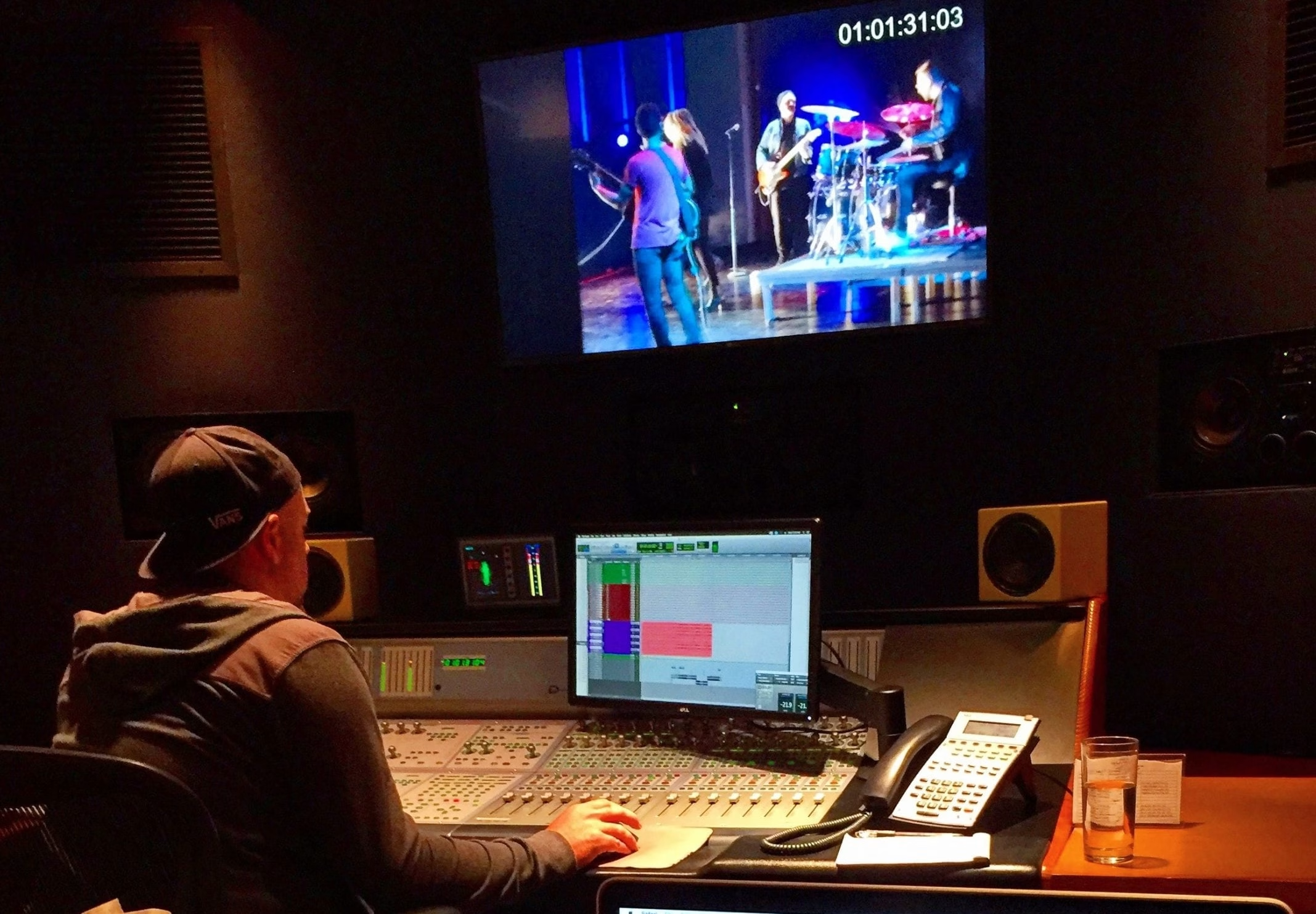
Short form video is a storytelling constraint, not a strategy by itself. A useful piece communicates one focused idea to a defined audience in a viewing context where attention, sound, framing, and interface may be different from a website or presentation. Clarity matters more than speed alone.
Choose the message before the duration
Identify the single promise, proof, demonstration, question, or moment the viewer should retain. Build an immediate opening, readable composition, purposeful pacing, captions, and a next step that fits the platform. Plan several focused pieces from a larger production instead of forcing every message into one cut.
Choose a question a short film can answer
A short format is useful when the viewer can understand one demonstration, observation or next step without extensive background. For a product team, that could be a single workflow improvement; for an event, one revealing exchange may introduce a longer session. Write the central idea first and test whether the planned footage makes it clear. If the viewer needs several definitions before the point makes sense, create a sequence of focused pieces or choose a longer format.
Plan for the actual placement
Ask the publishing team where the film will run, who will encounter it and what the surrounding post or page can explain. Obtain the current requirements for duration, crop, captions, interface overlays and delivery files before designing the edit. A clip shown to existing customers can assume knowledge that an introductory advertisement cannot. Review a draft in the intended placement so the team can judge the entire viewing experience.
Make the opening lead into the evidence
Start with a recognizable problem, action or result, then show enough evidence to complete the idea. A surprising first shot is useful only if the rest of the film pays it off. For a workflow demonstration, show the task and the meaningful change before adding supporting context. Watch the edit without its caption or post copy as well: the film should not depend on an explanation the viewer may never read.
Budget the versions and the production
A short runtime does not by itself mean a small production. Casting, locations, animation and multiple delivery versions can require substantial preparation even for a brief spot. List the common footage and the unique shots each edit needs, then agree on how many openings, endings and crops will be delivered. This makes the budget reflect the actual work and helps the crew capture useful alternatives while the setup is available.
Review clarity at normal viewing size
Check the longest caption, smallest label and fastest demonstration on the device the audience will use. If viewers must pause to understand an essential step, simplify the frame or allow more time. Review once without sound and once with sound, checking that the information remains coherent and that music or effects support the message. Keep the ending readable long enough for the viewer to recognize the next step.
Use results to choose the next edit
Agree on the goal before distribution. A clip intended to introduce a longer demonstration should be reviewed for whether relevant viewers continue to that destination, while an event reminder may be tied to registrations. Treat retention and responses as clues to investigate rather than proof that shorter is always better. Keep a version record so a promising opening or clearer demonstration can be reused deliberately in the next brief.
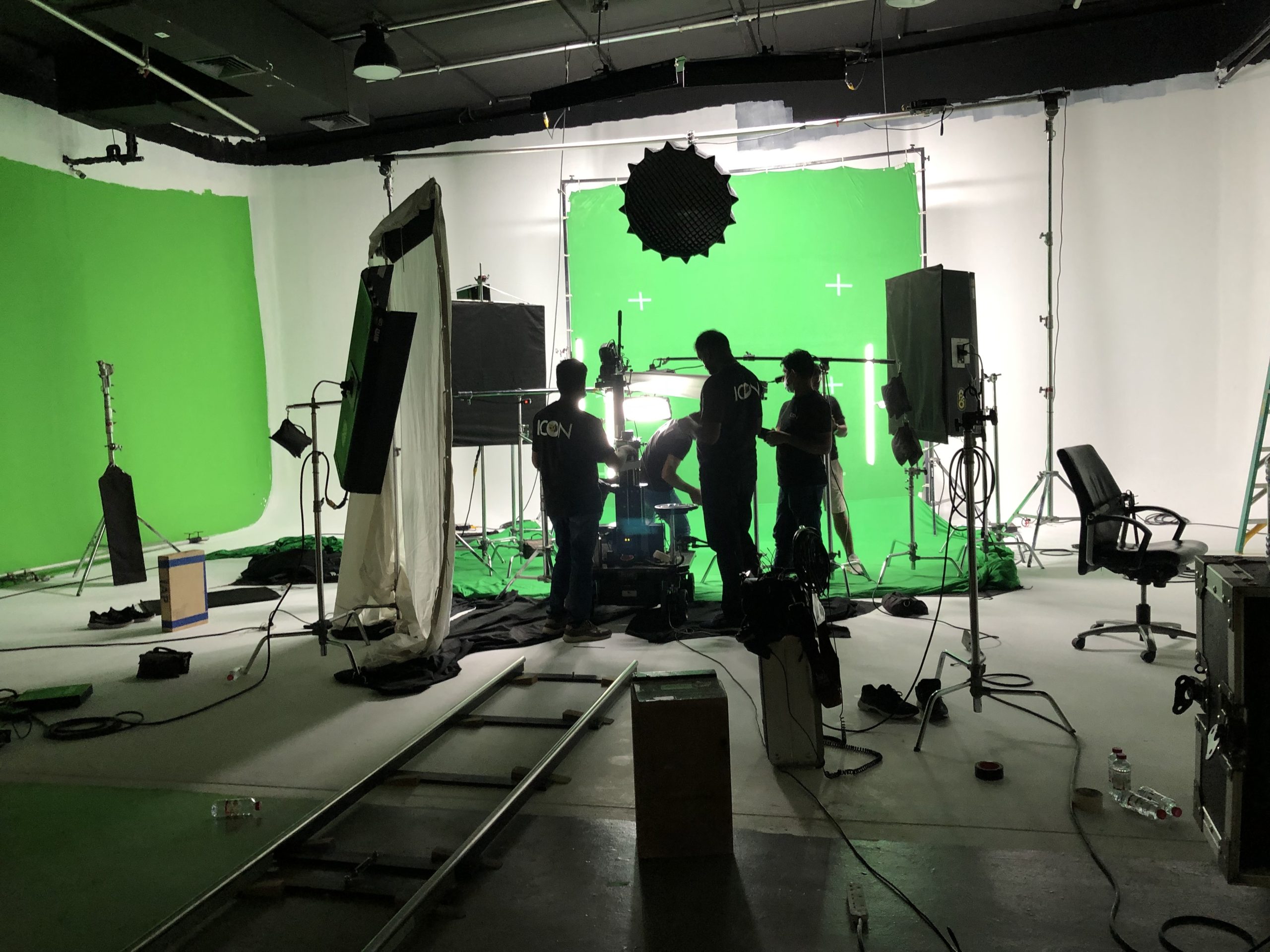
Production Context: Deloitte NavigAite breakroom spot
Deloitte NavigAite breakroom spot. The defined scene introduces one product idea. Shortening a film works when the remaining situation and message are still complete.