Industry
Video Production for Energy Companies
Video production for energy companies, connecting people, technical operations and business priorities through corporate, recruiting and training content.
Video Production for the Energy Industry
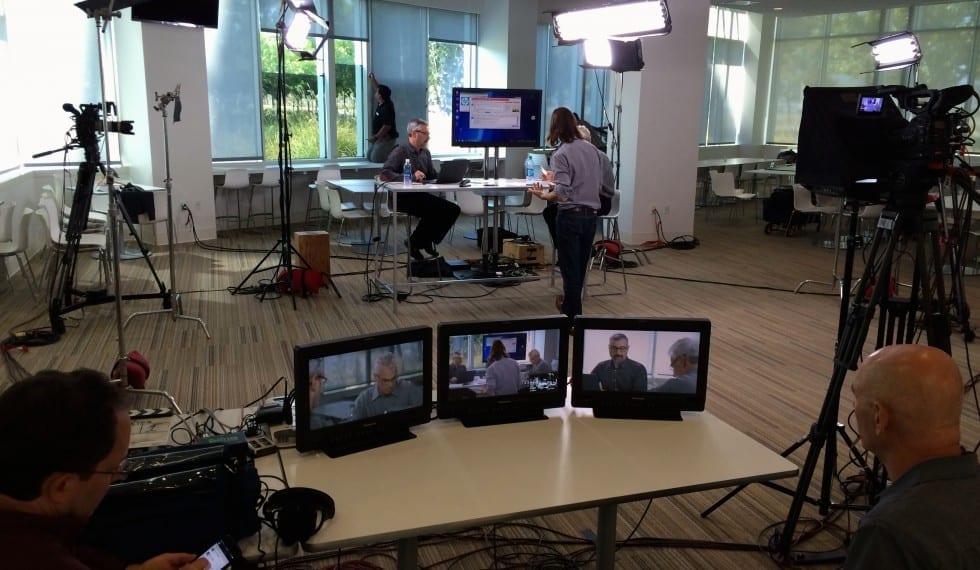
Energy companies need to explain complex work to employees, candidates, customers, investors and communities. Capitola Media develops video production around those audiences, combining clear storytelling with the practical demands of filming in operational environments. Our services can support recruiting, corporate communications, training, technical explanations and stakeholder presentations.
The brief begins with the communication task: what should viewers understand, and what can the production show to make that clear? An employee interview, a process demonstration and a company overview each require a different balance of people, locations and information. Defining those choices early gives the creative approach and production plan a shared purpose.
Corporate Stories and Technical Communication
Our corporate video production services help translate organizational priorities into an understandable story. For energy businesses, that may involve explaining an operation, introducing a leadership team or presenting the people responsible for a project. Technical specialists can provide detail while leadership connects the work to its broader business context.
Facility footage, diagrams and motion graphics can clarify systems that are difficult to explain through interviews alone. Each visual should answer a specific audience question, with technical terminology and claims reviewed by the client’s subject-matter experts. Environmental and performance statements need supporting information that matches what the film actually says and shows.
Recruiting, Training and Employee Communications
A recruiting film can help candidates understand responsibilities, working conditions and the people behind an organization. Our recruiting video production approach focuses on firsthand employee perspectives and meaningful workplace detail. Interview questions should bring out examples of collaboration, problem-solving and professional development that candidates can use to evaluate an opportunity.
Training and internal communications serve a different purpose: helping teams understand a process, expectation or change. These assignments may call for demonstrations, approved procedures, captions and supporting graphics. The production should identify who owns the information, which actions can be shown safely and how updates will be managed when procedures change.
Experience in Distinctive Energy Environments
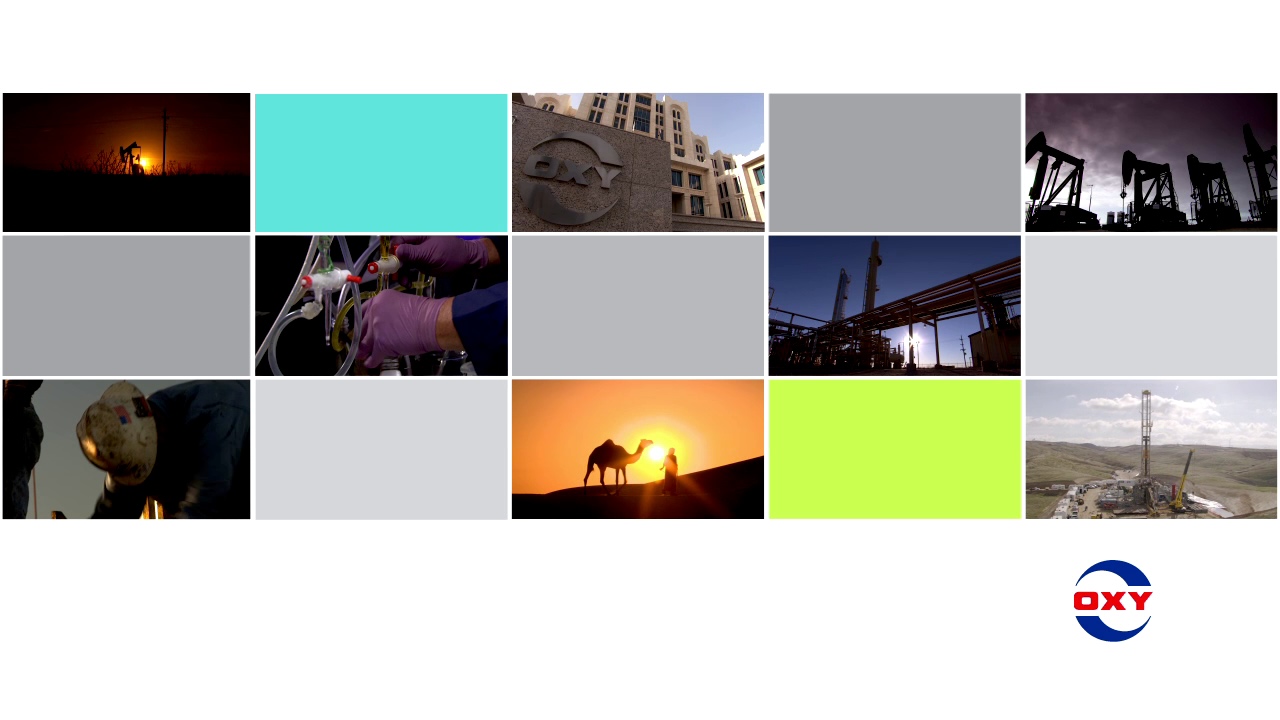
These production demands are exemplified in our work with Occidental Petroleum. The recruiting assignment took our crew into contrasting environments, including an oil field near Bakersfield, California, and an oil rig within Long Beach Harbor. We filmed in desert heat reaching 105 degrees with hard hats and steel-toed boots required on site. Working in these conditions demands preparation for crew welfare, equipment protection and movement around active operations.
In Long Beach Harbor, filming took place on one of the man-made islands managed by Oxy. For one shot, we moved our crew and employee talent onto an elevated rig 40 feet above the ground. These locations gave our recruiting story a direct connection to the work while making safety, access, equipment handling and coordination central to the production.
Production in Harsh and Hazardous Environments
Oil fields, rigs and active industrial facilities can expose a production crew to extreme temperatures, dust, high noise levels, moving machinery and elevated work areas. Planning begins with the site operator’s safety requirements, approved access routes and designated filming zones. Crew members must complete the required orientation and wear the specified protective equipment, including hard hats and steel-toed boots where required.
Heat, wind and dust affect both people and equipment. The plan should provide for drinking water, shaded rest areas, suitable equipment protection and clear communication with site personnel. Camera positions, cable routes and equipment moves must respect operational boundaries, with filming paused or relocated when conditions or site instructions require it.
The schedule needs to respect normal operations and participant availability. Preplanning camera positions and coverage helps make efficient use of approved access windows, while alternate setups provide options if conditions change. Our full-service production process connects those location requirements with budgeting, scheduling, crew selection and postproduction.
Deliver for the Intended Audience
A film may need to work on a company website, in a recruiting presentation, at an industry event or within an employee learning program. Those uses shape the editorial structure, captions, graphics and delivery formats. Establish the main film and any supporting versions before production so the required material is captured.
Review should bring together communications, technical and operational stakeholders with clear approval responsibilities. The result is a practical production plan built around the message, the working environment and the people who need to understand it.