Ultra High-Speed Videography
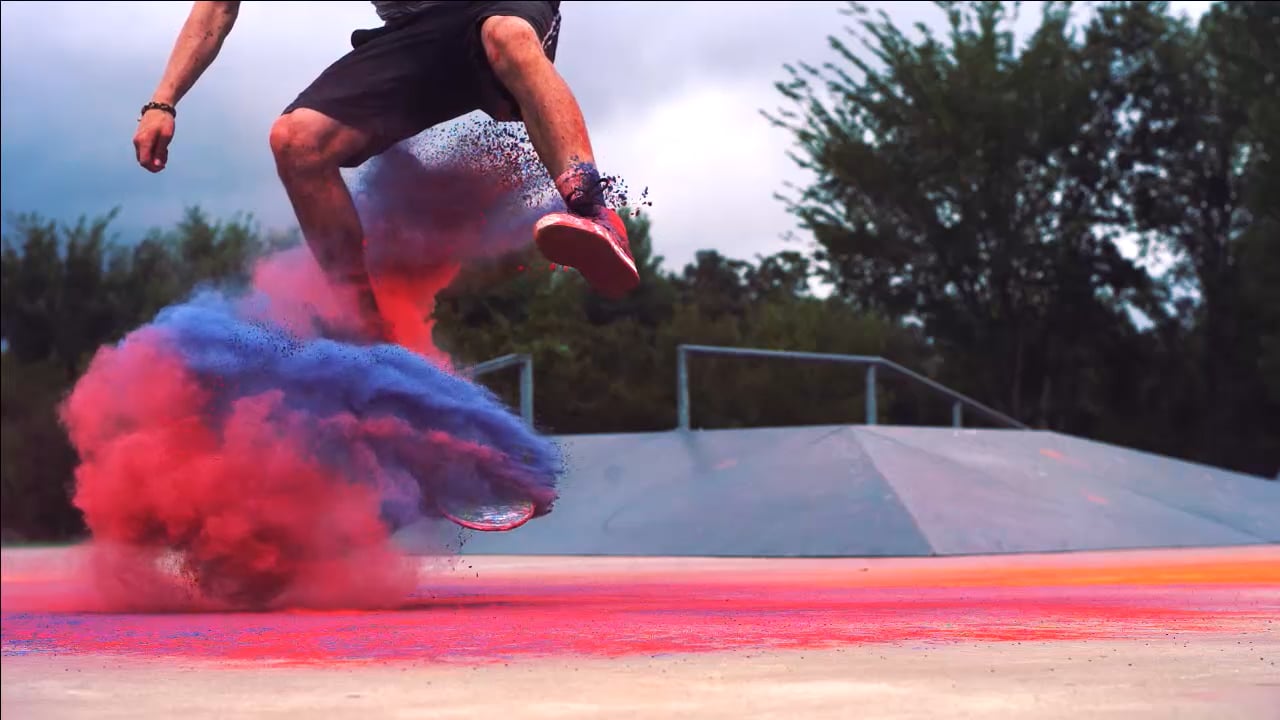
Ultra high-speed cinematography shot with camera operator Darren Dyke using the Phantom T4040, capturing motion at thousands of frames per second for dramatic slow-motion detail.
Ultra High-Speed Videography with the Phantom T4040
Capitola Media produced this ultra high-speed footage with camera operator Darren Dyke using the Phantom T4040. The camera is built for work that ordinary cinema cameras cannot capture, recording extremely fast action at frame rates that allow motion to be examined and experienced in precise slow motion.
Darren Dyke and High-Speed Camera Operation
Darren Dyke handled the high-speed camera work for the shoot. High-speed cinematography is a specialized discipline because the camera workflow, exposure requirements, triggering and data handling differ substantially from a conventional commercial or corporate setup.
The camera needs enough light to support extremely short exposure times, the action has to be timed precisely, and the operator has to anticipate the exact moment worth capturing. At very high frame rates, a fraction of a second in real time can become many seconds of finished slow-motion footage.
Phantom T4040, Not a Miro
The camera referenced in our earlier production material for this footage is the Phantom T4040, not a Phantom Miro. The T4040 is a 4-megapixel ultra high-speed camera designed for extremely high sustained frame rates while retaining substantial image resolution.
At full 2560 x 1664 resolution, the T4040 can record at more than 9,000 frames per second, with much higher frame rates available at reduced resolutions. Its back-side illuminated sensor, large onboard memory and high-speed data workflow make it suited to commercial imagery, product demonstrations and detailed motion analysis.
Lighting for Thousands of Frames Per Second
High-speed work places unusual demands on lighting. As frame rates climb, each individual frame receives dramatically less light. That means the production has to provide significantly more illumination while still controlling contrast, reflections and heat on set.
For visually polished slow motion, the goal is not simply to make the exposure adequate. The lighting still has to shape the subject and preserve texture, color and dimensionality once the footage is slowed down.
Why High-Speed Footage Works
Ultra high-speed cinematography reveals details the eye cannot normally isolate: impact, deformation, fluid movement, particles and other events that happen too quickly to study in real time. For commercial and product work, that can turn a simple physical action into a highly controlled visual sequence with substantial dramatic impact.
The finished footage demonstrates the value of combining a specialized Phantom camera with an experienced operator and a production approach built specifically around high-frame-rate capture.
Have a project in mind?
Tell us what you are making, who it needs to reach, and where production needs to happen.