B2B and B2C videos both need a clear story and a reason to watch. The useful difference is the buying situation. A business purchase may involve several stakeholders, technical review, and a lengthy approval process. A consumer purchase may be individual and immediate, although expensive or unfamiliar products can also require substantial research.
Those differences affect the script, supporting evidence, production approach, and distribution plan. They do not mean B2B must be dry or B2C must avoid detail. Both audiences respond to people, emotion, credibility, and a message that respects their actual concerns.
Identify who makes the decision
For a business audience, distinguish the person who uses the product from the person who approves the purchase. An end user may want to see a task completed. An executive may need the business case. An IT or procurement reviewer may ask about implementation, security, or support.
That can justify several related videos instead of one crowded presentation. A program of B2B video production can introduce the proposition, demonstrate the workflow, and answer a later stakeholder's question in separate assets. Each video should still make sense on its own.
Choose evidence that answers the audience's concern
For B2B, useful evidence might include a realistic demonstration, a subject matter expert, or a customer explaining a specific problem. Confirm the accuracy and permission behind every claim. Avoid dressing an unsupported promise in technical language or presenting an illustrative interface as a released feature.
For B2C, evidence may be the product in use, a clear before-and-after process, material detail, or a relatable situation. Emotional storytelling and product information can work together. The amount of explanation should follow the buyer's uncertainty, not a blanket assumption about consumer attention spans.
Build the production around the message
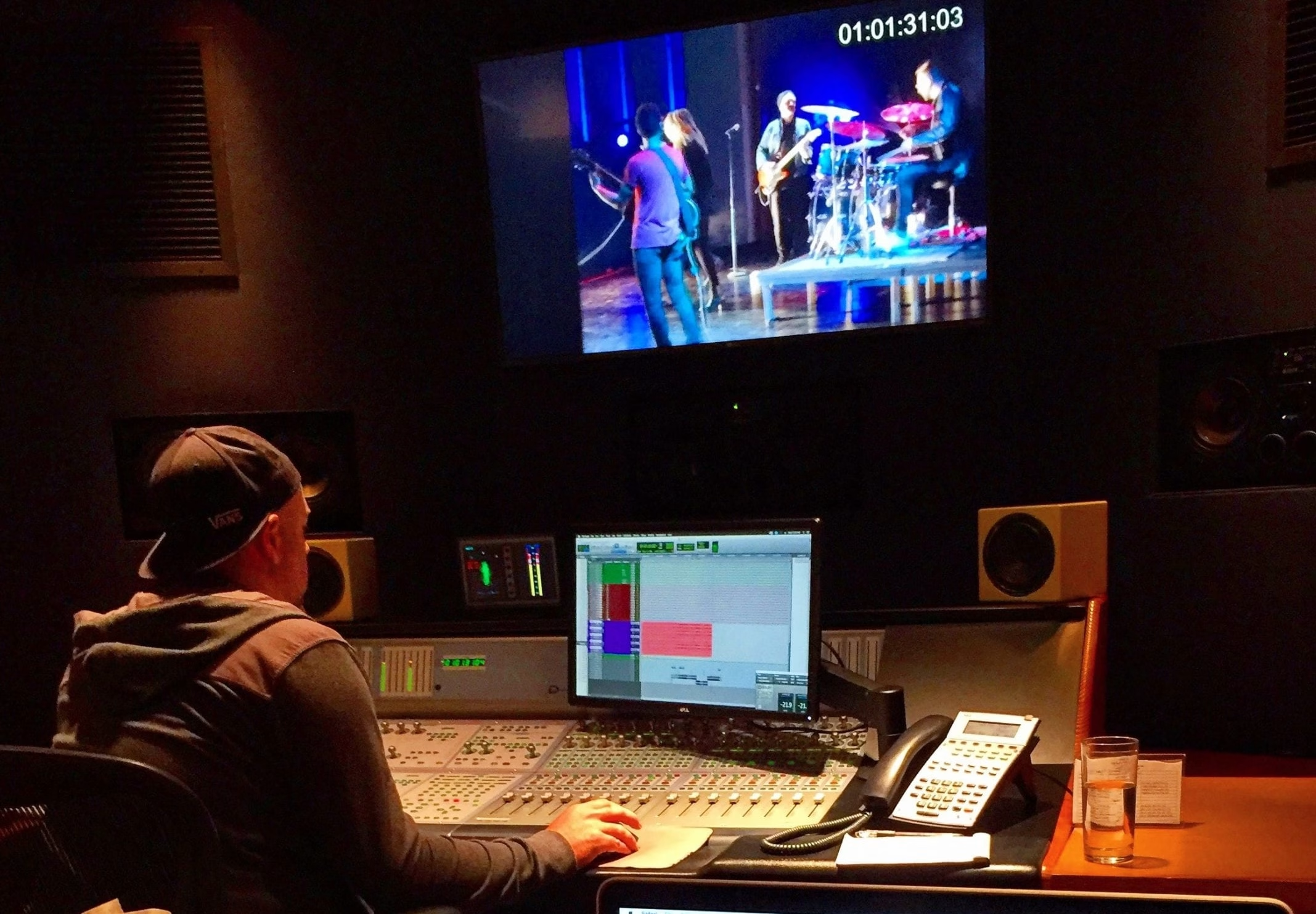
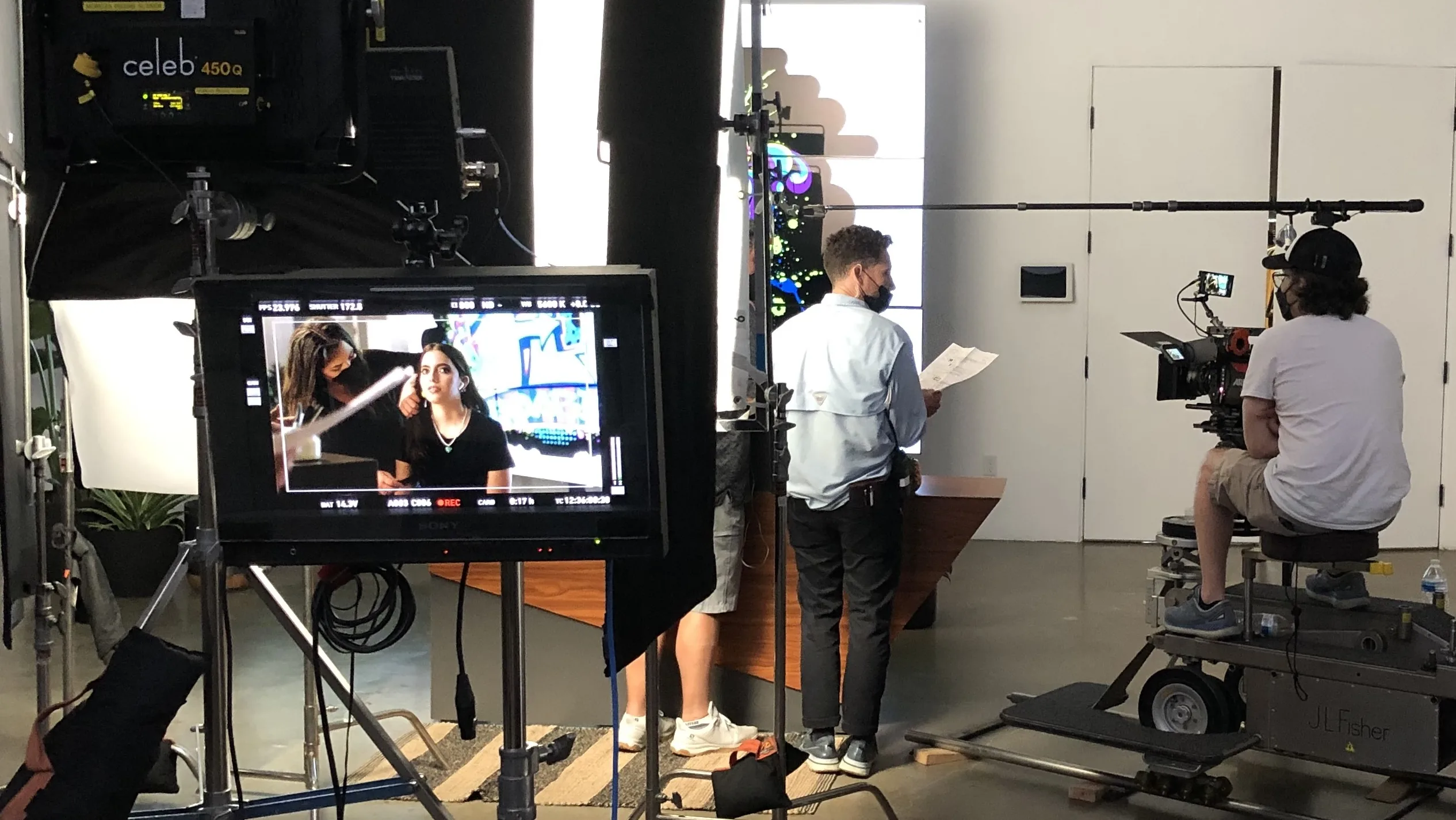
A business film might involve interviews, screen recordings, workplace footage, and motion graphics. A consumer campaign might use actors, art direction, location work, and a planned set of product shots. Either approach can appear in either market. Choose the form that communicates the proposition convincingly.
Prepare the people on camera for the role they need to play. An employee explaining a process needs different direction from an actor performing a scene. Review technical language, wardrobe, product readiness, and locations early enough to avoid using the shoot day to resolve basic messaging questions.
Plan distribution before deciding duration
A sales team may need a concise introduction followed by a longer demonstration. A conference screen may require readable visuals without relying on sound. Paid social creative needs a clear opening and versions appropriate to the placements. Website visitors may already be looking for a detailed answer.
These are distribution choices rather than fixed B2B or B2C rules. Define the viewing context, device, and next step before setting length. For a broader campaign, commercial video production can plan the main film and shorter versions as one coordinated shoot.
Make approvals part of the schedule
Identify the people who must approve messaging, product claims, branding, and usage. Ask them to review the script or treatment before filming. Consolidate comments through one client lead so the creative team receives a clear decision rather than conflicting instructions.
Build time for graphics, captions, alternate endings, and any localization. A revised product name or claim can affect every deliverable. Keeping a shared version list makes the final handoff easier for teams publishing across several channels.
Measure the action the video was built to support
Use an appropriate call to action: request a demo, investigate a product, register, or buy. Review performance against that purpose rather than treating views as proof of sales. Our guide to measuring corporate video performance explains how to connect the asset to a meaningful outcome. Capitola Media develops both business and consumer work around the audience's decision, from the first brief through delivery.