A corporate video crew should be sized around the creative, location, schedule, risk, and deliverables. One person may cover several responsibilities on a small interview, while a commercial stage day may require specialized departments. Clear ownership matters more than a standard head count.
Build the crew from the work that must happen
List every responsibility before assigning titles: client communication, schedule, direction, camera, focus, lighting, rigging, power, sound, art, wardrobe, makeup, data, releases, safety, accessibility, and post. Confirm where duties can be combined responsibly and where specialization protects quality or safety. Creating a corporate video involves the collaboration of various professionals, each bringing their unique expertise to ensure a polished and engaging final product.
The producer oversees the entire project, from initial concept to final delivery. They manage the budget, schedule, and overall production logistics. The producer is often the point of contact between the client and the production team, ensuring that the client’s vision and objectives are met. They are responsible for budget management, scheduling, coordination of all production activities, and communication with the client.
The director is responsible for the creative vision of the video. They guide the cast and crew to ensure that each shot aligns with the script and overall concept. The director makes critical decisions on set, including camera angles, lighting, and actor performances. Their key responsibilities include creative direction, shot composition, performance guidance, and collaboration with the cinematographer.
Cinematographer (Director of Photography)
The cinematographer, or director of photography (DP), is in charge of capturing the visual elements of the video. They work closely with the director to determine the look and feel of the video, including lighting, camera movement, and shot framing. They are responsible for camera operation, lighting setup, shot composition, and ensuring visual consistency.
The camera operator handles the camera equipment during the shoot, following the cinematographer’s direction. They ensure that each shot is executed smoothly and precisely. Their responsibilities include operating the camera, adjusting focus and framing, and coordinating camera movements.
Sound Recordist (Audio Technician)
The sound recordist is responsible for capturing high quality audio during the shoot. This includes dialogue, ambient sound, and any other audio elements required for the video. They are responsible for setting up microphones, monitoring audio levels, ensuring clear and crisp sound recording, and managing audio equipment.
The gaffer is the chief lighting technician on set. They work under the cinematographer’s guidance to set up and adjust lighting equipment to achieve the desired look. Their responsibilities include lighting setup and adjustments, managing lighting equipment, and ensuring consistent lighting throughout the shoot.
The grip supports the camera and lighting departments by setting up and maintaining equipment. They are responsible for ensuring that all gear is safely and effectively positioned. Their key tasks include setting up rigs and stands, adjusting equipment as needed, and ensuring the safety and stability of all setups.
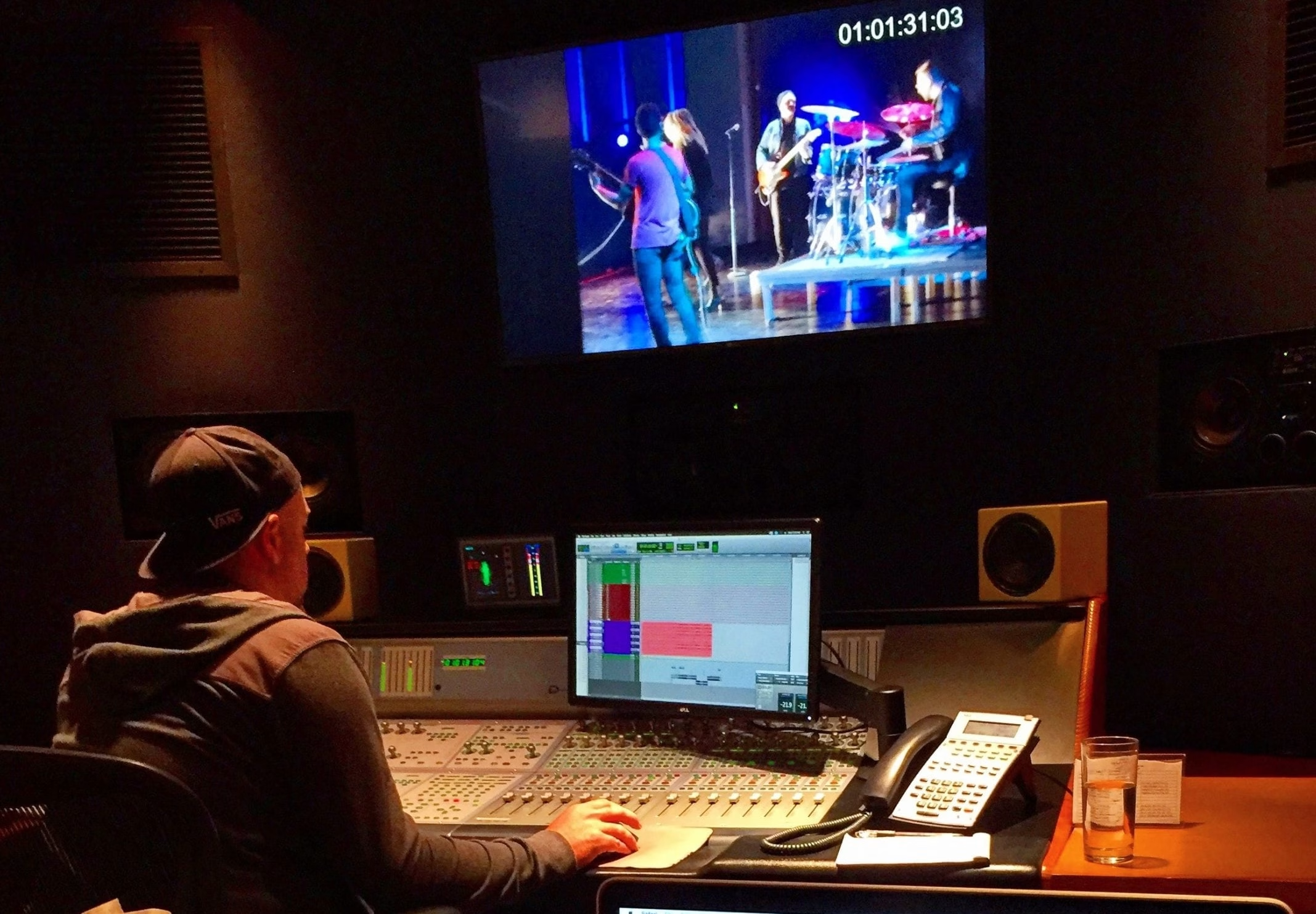
The editor takes the raw footage and assembles it into a cohesive video. They work closely with the director and producer to ensure that the final product meets the desired vision and objectives. Their responsibilities include video editing and assembly, adding effects, transitions, and graphics, sound editing and mixing, and color correction and grading.
The production assistant (PA) provides general support to the production team. They handle various tasks, such as coordinating logistics, managing paperwork, and assisting with setup and breakdown. Their responsibilities include assisting with logistics, managing production documents, and providing on set support.
Each member of the production crew plays a vital role in creating a successful corporate video. From the producer who oversees the project to the editor who polishes the final product, these professionals work together to bring the client's vision to life. Understanding the functions and responsibilities of each crew member can help ensure a smooth and efficient production process.
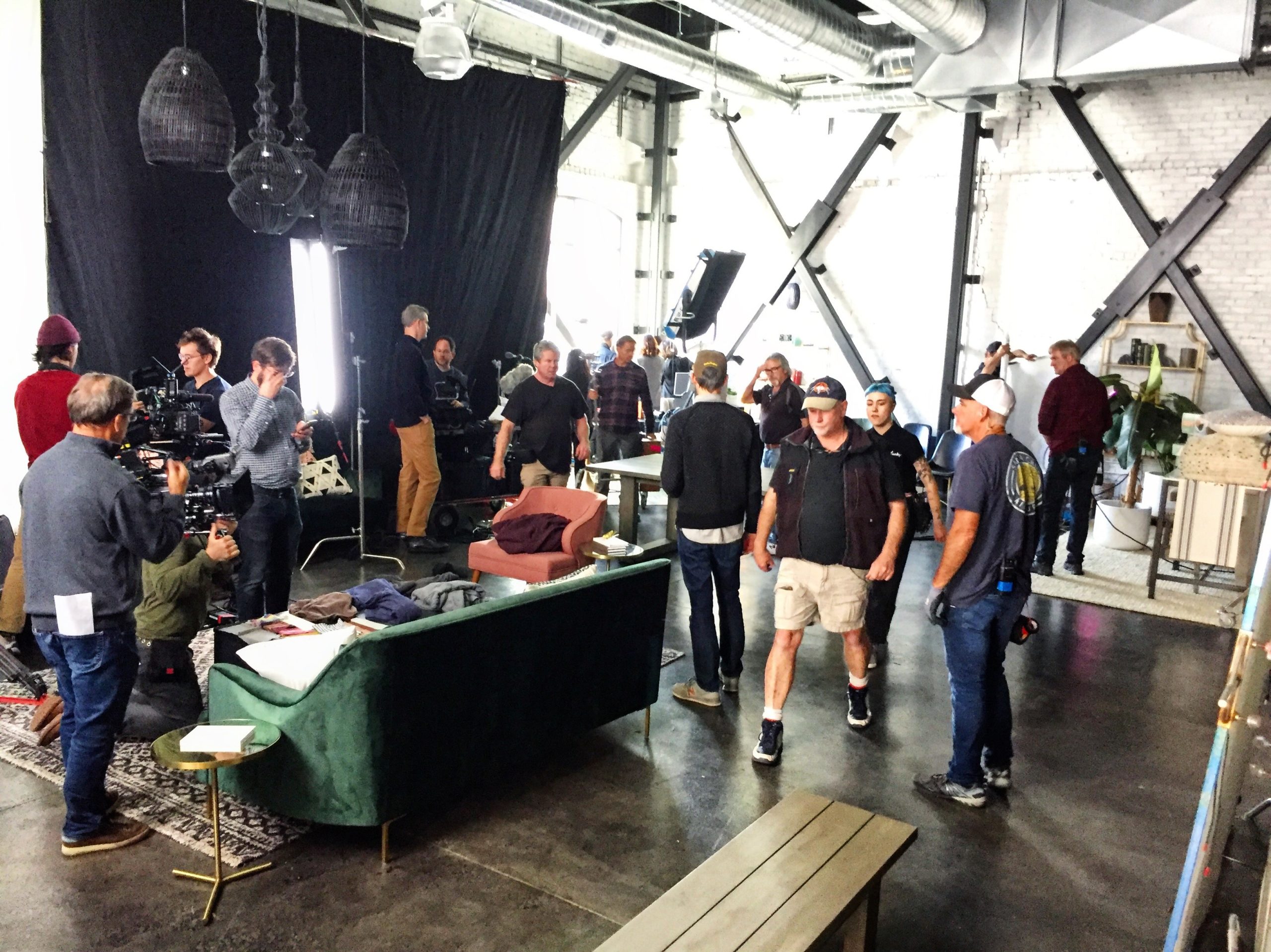
Production Context: Intermedia commercial
Intermedia commercial. The approximately 100-person production illustrates a coordinated commercial scale. Compare its departments and designed environment with the requirements of a focused executive interview.