A reliable corporate video process turns a communication goal into a finished asset through a series of visible decisions. The exact scale changes, but every project benefits from clear ownership, documented approvals, realistic schedules, and agreement about what success, completion, and change mean.
The process is not strictly linear. Discovery can change the concept, a scout can change the script, and an edit can reveal a missing idea. Strong production management creates room for those discoveries without losing control of scope.
Begin with discovery and a useful brief
Identify the primary audience, business outcome, communication barrier, essential message, credible evidence, desired action, distribution, deadline, budget range, stakeholders, and constraints. Interview subject experts and review existing material before choosing a format.
The brief should be concise enough to guide decisions. If every audience, message, and objective is equally important, the project needs prioritization before creative development.
Develop the concept and script
Explore several ways to express the idea, then select a concept based on audience fit, distinctiveness, feasibility, rights, schedule, and cost. The script may include narration, interviews, dialogue, visual actions, graphics, demonstrations, and sound. Read it aloud and test whether the planned running time is realistic. Capitola Media's corporate video production process connects creative development to the real people, places, and deliverables needed to execute it.
Turn the approved idea into a production plan
Preproduction can include casting, interviews, locations, permits, releases, crew, equipment, art, wardrobe, makeup, accessibility, safety, travel, insurance, schedules, call sheets, storyboards, shot lists, technical tests, and post planning. Confirm who approves each element and when approval becomes final. For technology organizations, the plan may also need product access, secure environments, interface versions, technical reviewers, launch confidentiality, and backup demonstrations.
Produce with clear priorities
The production day should protect the essential story first. Use the call sheet, schedule, shot list, and department plans as shared tools while allowing the director to respond to performance and location reality. Record organized notes, releases, continuity, sound, camera reports, and verified media backups.
Client representatives should know where to review, who can approve, and how changes affect the day. Late additions can be possible, but they should be weighed against the shots and time already committed.
Edit in stages
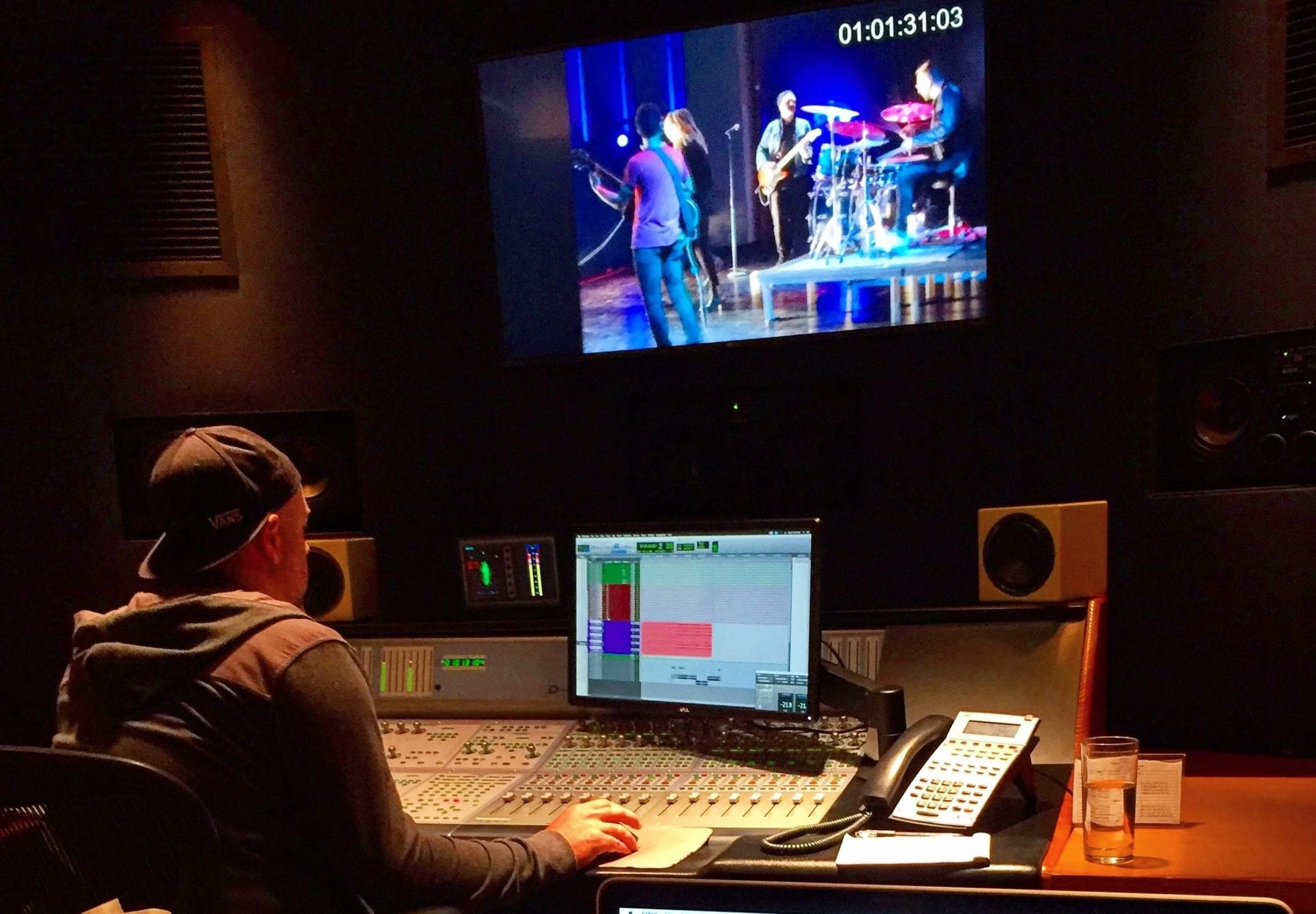
A common review path moves from assembly or selects to rough cut, fine cut, picture approval, then color, sound, graphics, captions, versions, and quality control. The exact sequence depends on the project. Consolidated feedback from authorized reviewers is more efficient than unrelated comments arriving at different times. Projects produced in New York City may involve remote stakeholders and several time zones, so review windows, meeting times, transfer security, and approval authority should be written into the schedule.
Deliver, archive, and learn
Confirm every master, aspect ratio, duration, language, caption file, thumbnail, platform export, and presentation copy. Store project files, media, licenses, releases, captions, transcripts, graphics, and final approvals according to the agreed archive plan. After launch, review audience response and production lessons so the next brief starts with better information.
Production Context: Inkling retail technology commercial
For our Inkling retail technology commercial, we filmed on a Los Angeles sound stage to connect a physical retail environment with an enterprise software story. The concept, set and postproduction worked together to make the technology’s purpose visible.