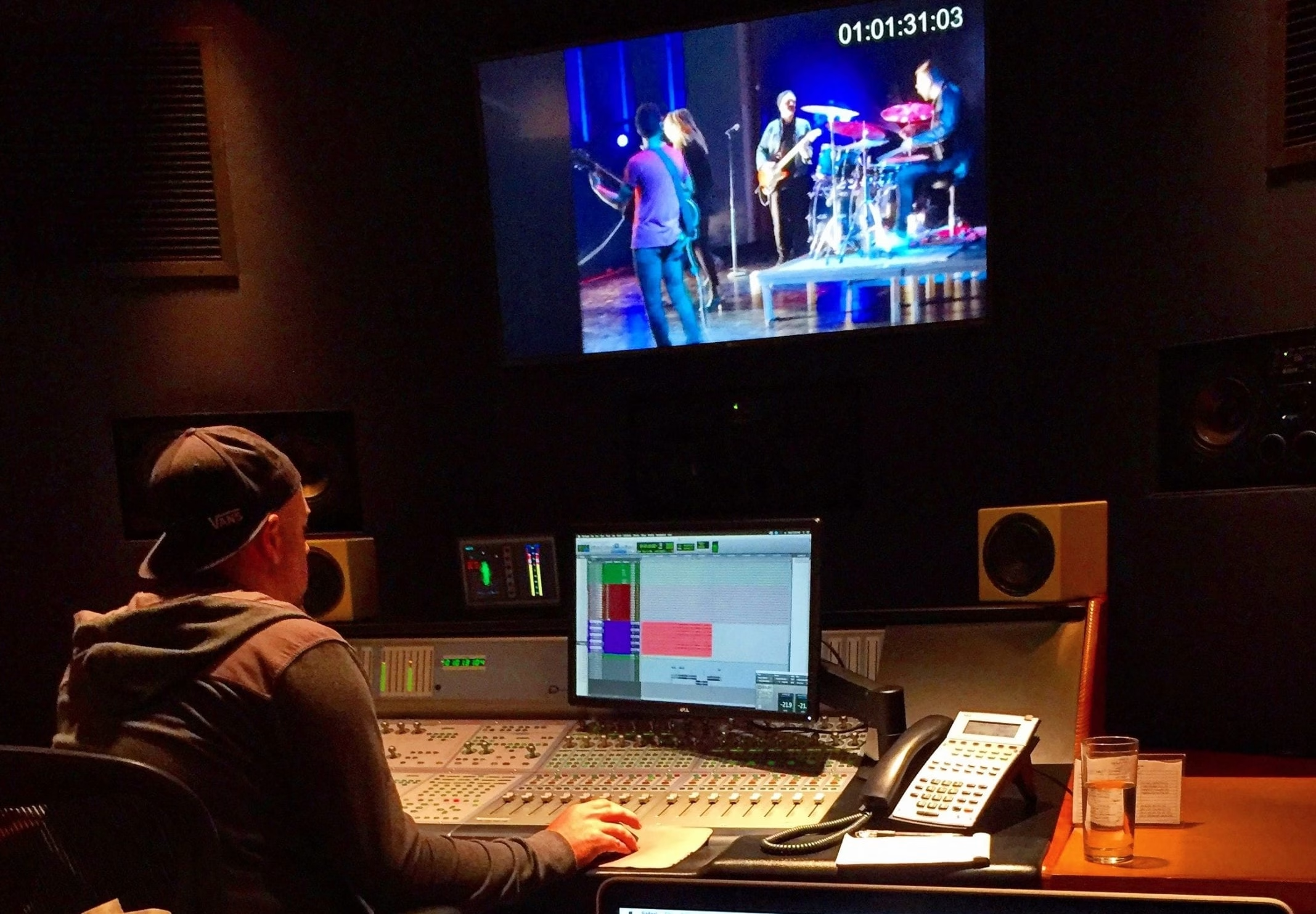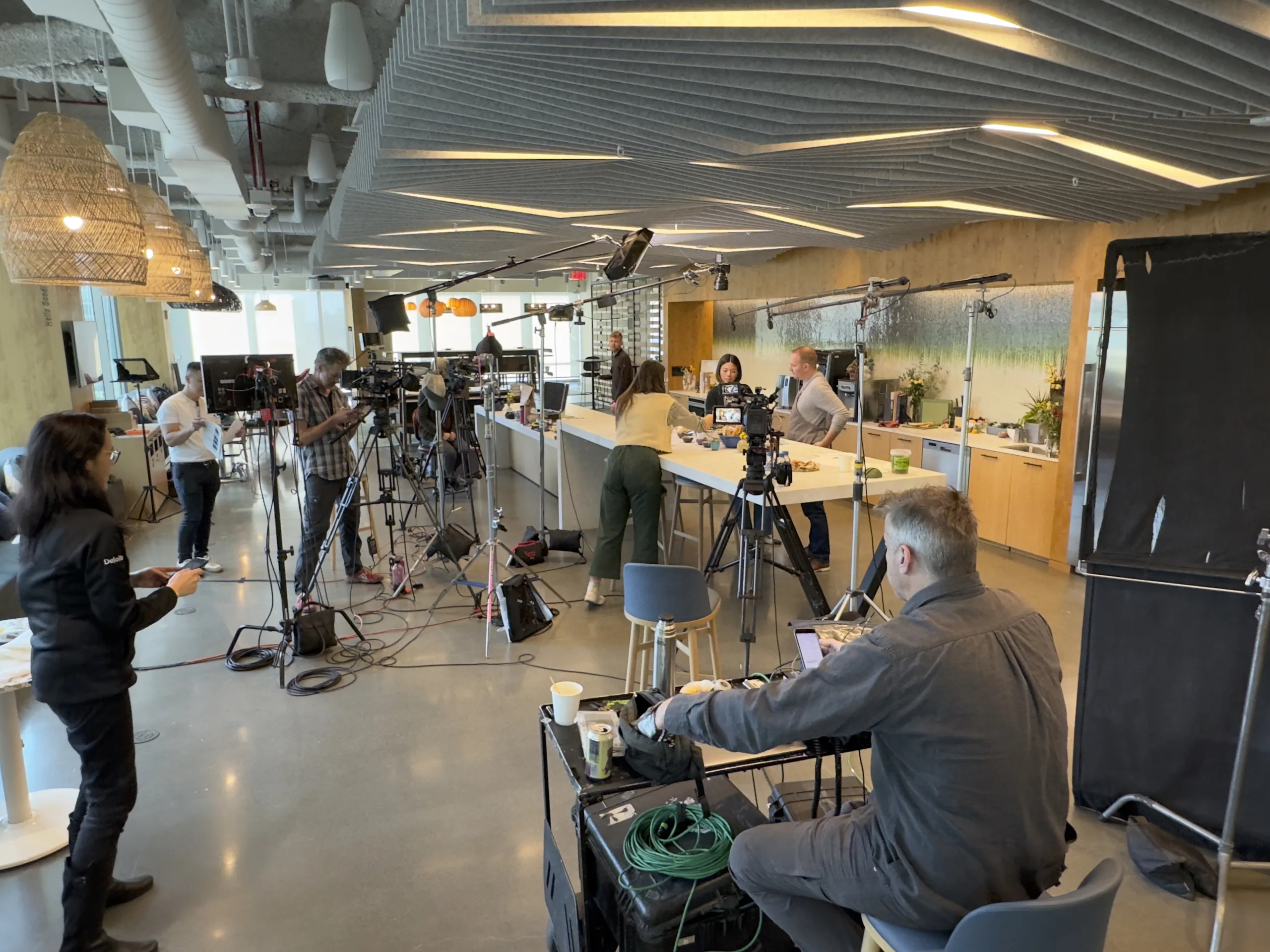
A production assistant helps the production team keep the day organized. The work may involve set support, office tasks, errands, communicating instructions, or helping people reach the right place at the right time. A strong PA is reliable, attentive, and willing to ask questions before a misunderstanding becomes a problem.
PA work can be an introduction to the film and video industry, but it is also a real job with responsibilities. The best approach is to perform the assigned role well while observing how departments collaborate, rather than treating the position only as a stepping stone.
Understand the assignment before arriving
Confirm the date, location, call time, reporting contact, duties, and agreed compensation. Read the call sheet and access instructions. Ask what clothing or personal items are appropriate for the working environment, and plan your route so you can report at the required time.
A set PA may report through the assistant director team, while an office PA may work with a coordinator or production manager. The reporting structure matters: when two people give conflicting instructions, ask your supervisor to establish the priority.
Make communication clear and useful
Listen fully, repeat essential details when necessary, and report when a task is complete. If an errand or assignment takes longer than expected, communicate early. A supervisor can respond to a known delay; an unexplained absence creates uncertainty for everyone depending on the task.
Learn the production's radio procedure. Keep messages brief, identify yourself when appropriate, and avoid interrupting urgent traffic. Do not repeat confidential information on an open channel. The second assistant director may coordinate PA assignments involving talent movements and readiness.
Respect department responsibilities
Being helpful does not mean handling any equipment you see. Ask before moving a camera, light, prop, cable, or item of wardrobe. Technical work can involve safety requirements, continuity concerns, and department or contract boundaries that are not obvious to a newcomer.
Do not improvise around unfamiliar equipment or enter restricted work areas. Report hazards and ask for the proper instruction. Your value comes from dependable support within the assigned role, including knowing when a task belongs with a trained specialist.
Keep details and paperwork accurate
Write down names, locations, instructions, and deadlines rather than relying on memory. Protect call sheets and contact information. Follow the production's process for receipts, mileage, time records, and borrowed items, and ask how to submit them before the end of the job.
Professional conduct includes discretion. Do not photograph or post about talent, sets, unreleased products, or confidential material without authorization. On a corporate shoot, the workplace itself may contain information that is not intended for public viewing.
Learn the production as a whole
Observe how the director, AD team, camera department, sound team, and production office exchange information. Ask thoughtful questions during appropriate breaks, rather than while someone is handling an urgent setup. Our guide to corporate video crew roles provides a starting point.
Keep a record of completed jobs and contacts you are permitted to retain. Seek specific feedback from a supervisor. Reliability, sound judgment, and the ability to improve are stronger foundations for future work than promising skills you have not yet developed.
Research career and union pathways carefully
PA experience does not automatically confer union eligibility or guarantee advancement. Assistant directing, directing, and technical crafts involve different pathways. Review the DGA's qualification-list guidance for relevant AD and production management work, and use the IATSE local directory to identify the appropriate craft and geographic contact.
Confirm current requirements with those organizations before relying on a workday count or training claim. Learn what documentation matters for the path you want to pursue. Capitola Media's corporate video productions depend on coordinated teams, and capable production assistants help that coordination translate into a well-run day.