
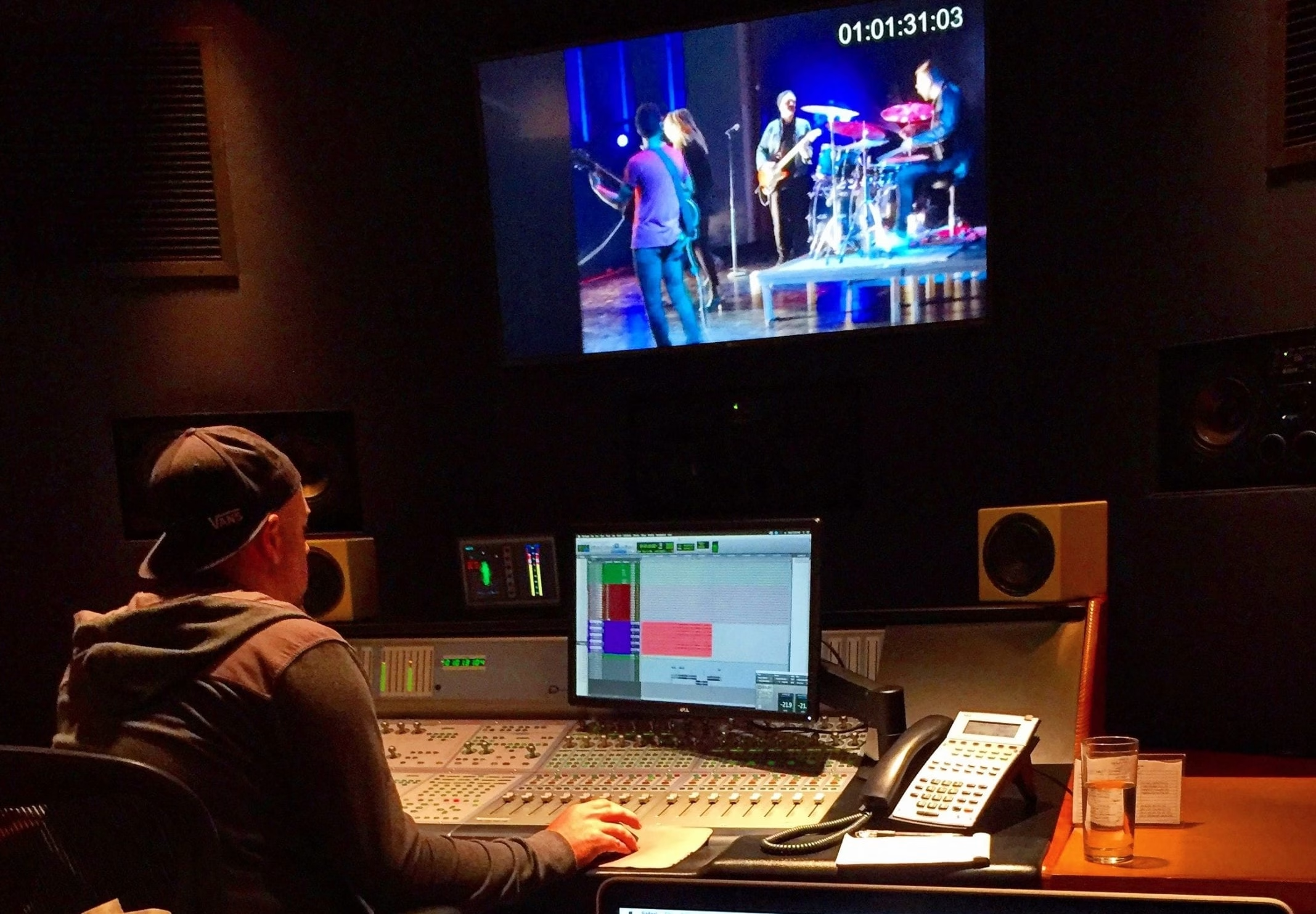
Post-production turns recorded material into a finished corporate video. It includes organizing footage, shaping the story, editing picture and sound, creating graphics, finishing color, and preparing delivery files. A clear process gives the client useful review points and helps the production team protect the final deadline.
The work begins before the shoot. Editors need to know the intended audience, story, delivery formats, and available assets. Planning post-production as part of full-service video production helps ensure that the footage captured can support the promised deliverables.
Set the scope and review schedule
Agree on the main film, shorter versions, aspect ratios, caption files, languages, and any additional deliverables. Name the client decision maker and identify other reviewers, including brand, product, and legal teams where relevant. Set dates for their feedback as well as the editor's submissions.
Specify the included revision rounds and what constitutes a change in scope. There is no single number of rounds that fits every project. A new message, replacement interview, or additional language version can involve more than a routine adjustment to an existing cut.
Ingest, organize, and protect the material
Transfer media using a documented process, verify copies, and maintain appropriate backups before camera cards are cleared. Organize footage by shoot day, camera, scene, or interview. Keep audio, presentation files, logos, music licenses, and release information accessible to the team.
Transcripts and production notes help editors locate strong answers and understand any restrictions. Proxy files may make large media easier to edit, but the workflow must retain a reliable connection to the original recordings for finishing.
Build the story before polishing every frame
The first assembly tests the structure: which information comes first, what evidence supports it, and how the piece ends. Interview films may develop through a paper edit or selected sound bites. Scripted films use the approved script and boards while responding to the performances and coverage captured.
Review early cuts for message, accuracy, and pacing. Temporary music, unfinished graphics, or ungraded footage should be clearly identified. This keeps the client from mistaking placeholders for final decisions and lets the team resolve story changes before investing in detailed finishing.
Coordinate graphics, sound, and color
Confirm names, titles, statistics, and product terminology before final graphics are built. The motion graphics team may work alongside the editor, particularly when diagrams or animation carry essential parts of the explanation.
Sound editing improves dialogue continuity and addresses distracting noise where possible. A final mix balances speech, music, and effects for the intended delivery. Replacement dialogue or new narration may require another recording session. Color correction matches shots; grading develops the agreed visual treatment. Major picture changes after these stages can require additional work.
Prepare the versions the audience will actually see
A horizontal master, vertical excerpt, captioned social version, and clean presentation file are distinct deliverables. Reframing may require changes to graphics and shot selection. Localized versions need enough time for translation, review, timing, and any replacement voice over.
Consult the intended destination's current delivery requirements. A file extension alone does not describe the encoding inside it. Our guide to video file formats explains why codec, resolution, and playback needs belong in the handoff conversation.
Check the final files and document the handoff
Watch each exported version, checking picture, sound, spelling, captions, framing, and the ending. Confirm filenames and version numbers so the client can identify the approved assets. Supply a deliverables list and clarify where the files will be retained.
Agree separately on source footage, project files, archive duration, and future revisions. A well-managed handoff makes the video easier to publish, reuse, and update. Capitola Media coordinates these stages so the finished work remains faithful to the message and practical for the teams distributing it.