Steadicam supports fluid camera movement while preserving the responsiveness of an operator. It can follow a person through a workplace, reveal a facility, connect departments, or create a continuous transition between actions. The strongest use begins with story motivation and a route that can be rehearsed safely.
Choose the movement system for the shot
Compare Steadicam with a gimbal, dolly, handheld camera, vehicle rig, drone, or static composition. Consider lens, duration, terrain, stairs, doorways, sound, focus, lighting transitions, performer marks, and resets. The right system is the one that creates the intended feeling reliably within the location and schedule.
What Is Steadicam?
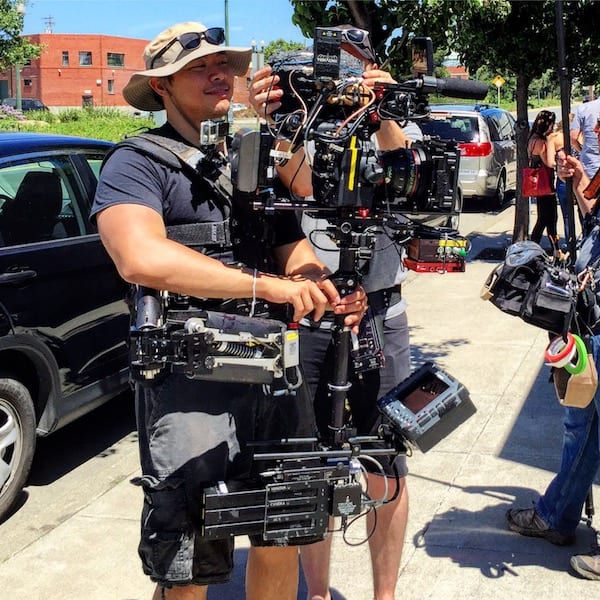
The Steadicam is a groundbreaking camera stabilization device that allows filmmakers to capture steady shots even while the camera operator is in motion. Using a combination of counterweights and gimbals, the camera is isolated from the operator's movements, ensuring a smooth and steady frame. This technology is particularly valuable for creating engaging action sequences without the need for bulky dolly tracks or cranes.
Rehearse the walk and the message together
A walk-and-talk shot needs a reason for the participant to move. Identify what the route reveals and where each part of the message belongs, then rehearse the pace with the camera and sound teams. A long speech may outlast the useful location, while a complicated turn can distract a participant from the point they need to make.
Mark the start, key actions and ending, and allow time to reset people and the environment between takes. Review whether the route stays clear and whether normal workplace activity can be coordinated. If a single continuous take places too much pressure on the performance, plan a cutaway or a second setup that gives the edit a natural place to join sections.
Scout the complete camera route
Walk the route with the relevant crew before promising the shot. Check doorways, floor changes, reflections, lighting transitions and where the operator and supporting crew need to move. Identify anyone who could enter the path during recording and establish how the area will be managed. A route that looks simple on a floor plan may need a different angle or a shorter move once people and equipment are present.
Give the movement an ending
A continuous move can connect a person to a workplace or show how adjoining activities relate. Sketch the first frame, the reveal and the final composition, then ask what the audience learns from traveling between them. For example, following a participant from a design discussion to a product demonstration can make the connection visible. Ending on a useful action gives the editor more than a camera move that simply runs out of space.
Capture an alternative for the edit
Plan supporting details, a clean final frame and any dialogue coverage needed if the full move is shortened. Review a complete take before leaving the setup, paying attention to the performance as well as the camera. The goal is a usable scene that serves the film; an attractive move still needs clear sound, understandable action and a connection to the surrounding shots.
Production Context: Audi executive interview
For our Audi executive interview, we used a Ronin-mounted second camera alongside a teleprompter-equipped primary camera. The gimbal supplied an alternate view while the primary camera supported prepared messaging. Choosing between a gimbal and Steadicam begins with the movement and coverage the scene requires.