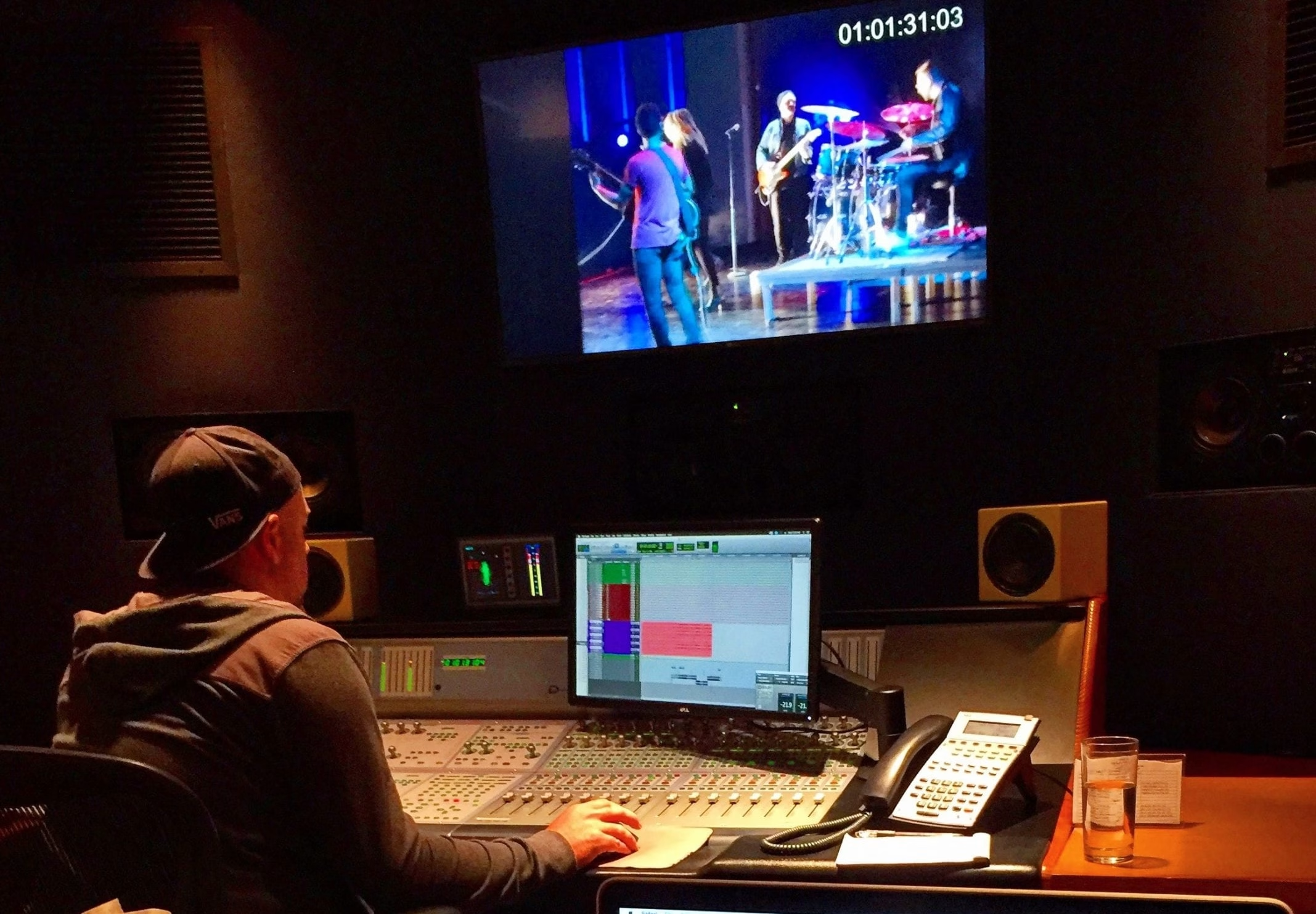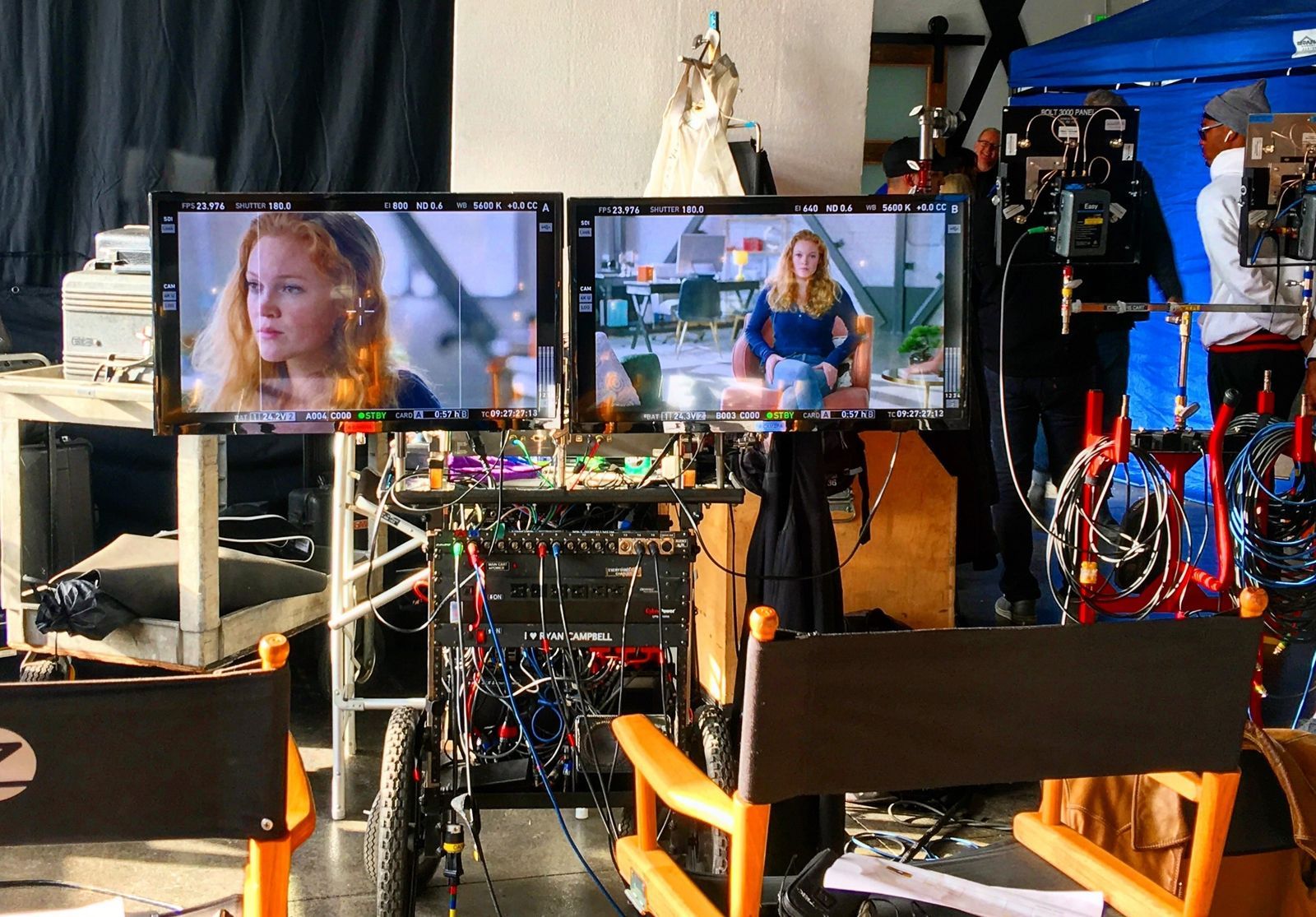
The VTR, or Video Tape Recorder, operator supports live monitoring and playback during a corporate video shoot. Although the name comes from tape-based production, the role continues in digital workflows and is also known as video assist. The operator gives the director, producers and client a reliable way to see what the cameras are recording and review takes while the production is still in progress.
Preproduction: Planning the Monitoring Setup
Before the cameras roll, the VTR operator works with the director and production team to establish the monitoring and playback requirements. Preparation includes selecting monitors, recording devices and playback systems, checking compatibility with the cameras, and planning a video village where the relevant people can review the footage.
The setup should match the assignment. The number of cameras, people viewing the picture and recording requirements affect the equipment and working arrangement. As with other corporate video crew roles, responsibilities should be defined before the shoot rather than assumed from the job title.
Video Village and Live Monitoring
On set, the operator connects and checks the camera feeds, monitors and playback equipment. A properly configured video village lets directors, producers and clients watch the live picture without gathering around the camera itself. The team can assess framing, lighting and continuity, identify technical concerns and discuss creative adjustments while the setup remains available.
Keeping the monitoring system dependable is an ongoing responsibility. The operator watches for signal problems and troubleshoots the playback setup, communicating with the camera department when something needs attention.
Playback and Review Between Takes
After a take, the VTR operator provides playback so the team can review a performance or check a technical detail. Immediate review helps the director compare what was intended with what was captured before moving to another setup.
The operator needs to keep that review organized and responsive to the pace of the shoot. Clear communication between the camera crew, director and production team helps resolve questions without unnecessary disruption.
Recording Organization and Handoff
Where recording and file organization are included in the assignment, playback files should be labeled consistently and handed over in the agreed format. The production should establish who owns each recording and backup responsibility. Video-assist recordings should not be treated as a substitute for managing the original camera media.
The handoff can include an organized record of takes and playback material for later reference. Archiving requirements and any continuing postproduction support should be defined in the scope.
Planning the Right Production Support
VTR and video assist are part of the wider coordination between camera, production and postproduction. Our full-service video production brings those responsibilities into a shared plan. For video production in San Francisco and the Bay Area, the monitoring setup can be scoped alongside the crew, location and intended deliverables.