The length of a finished video does not determine its price. The creative approach, people, locations, shoot time, graphics, review process and required versions define the work. A useful estimate makes those assumptions visible so proposals can be compared fairly.
Three example scopes to discuss
These are planning examples, not fixed packages or price promises. The appropriate crew, schedule and cost depend on the actual brief.
A focused executive interview might involve one participant and location, planned questions or an approved script, sound and lighting, supporting footage, one main edit and captions. Confirm whether teleprompter, additional angles or remote review are needed.
A product explanation might combine a subject specialist, product or interface capture, diagrams, narration and several focused versions. Identify who supplies accurate demonstrations, graphics assets and approved claims.
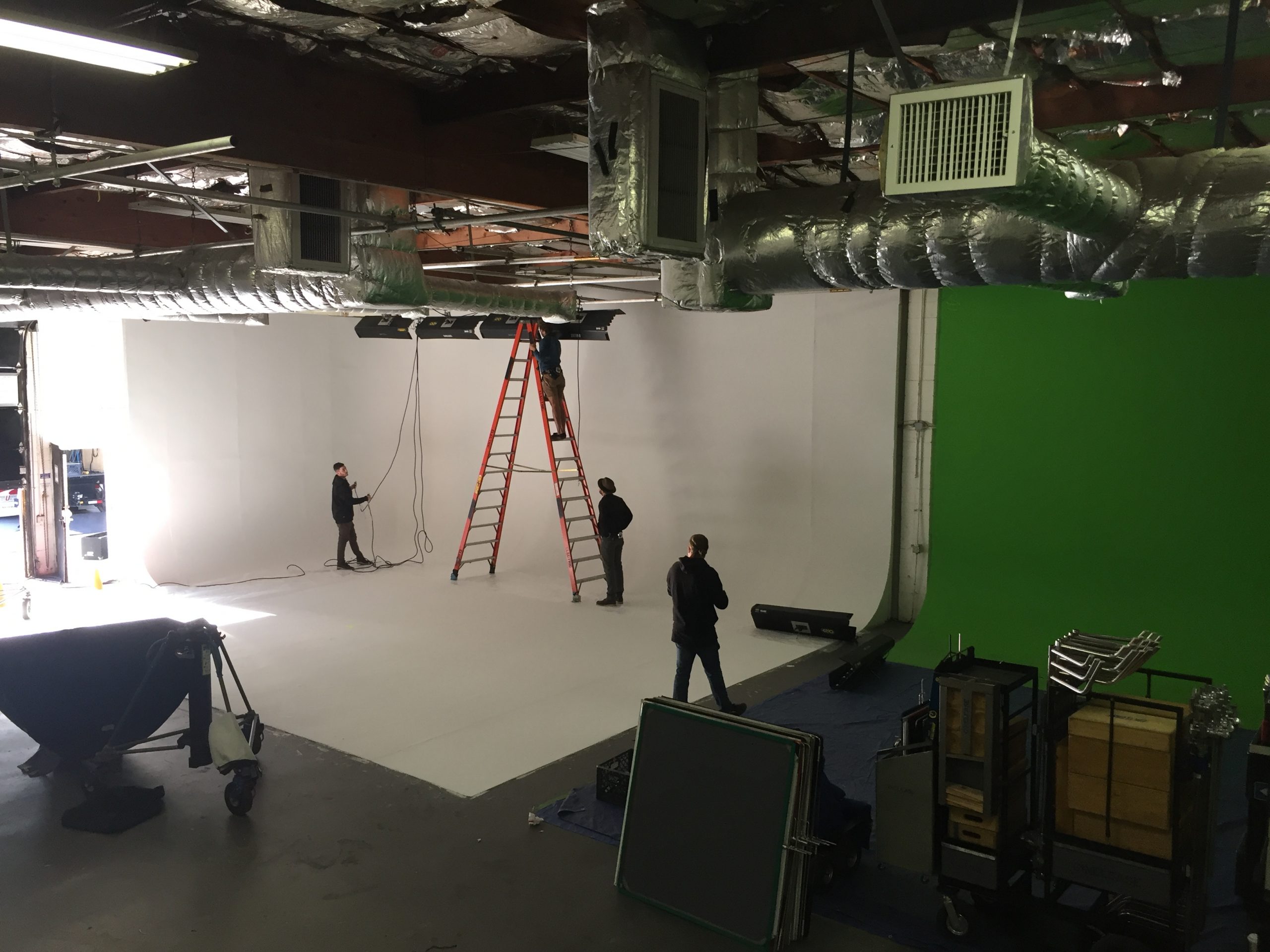
A scripted brand commercial may require casting, locations or a stage, production design, wardrobe, multiple departments, graphics and usage clearances. The Intermedia commercial demonstrates how a designed environment and animation can expand the production scope.
Budget the work after filming
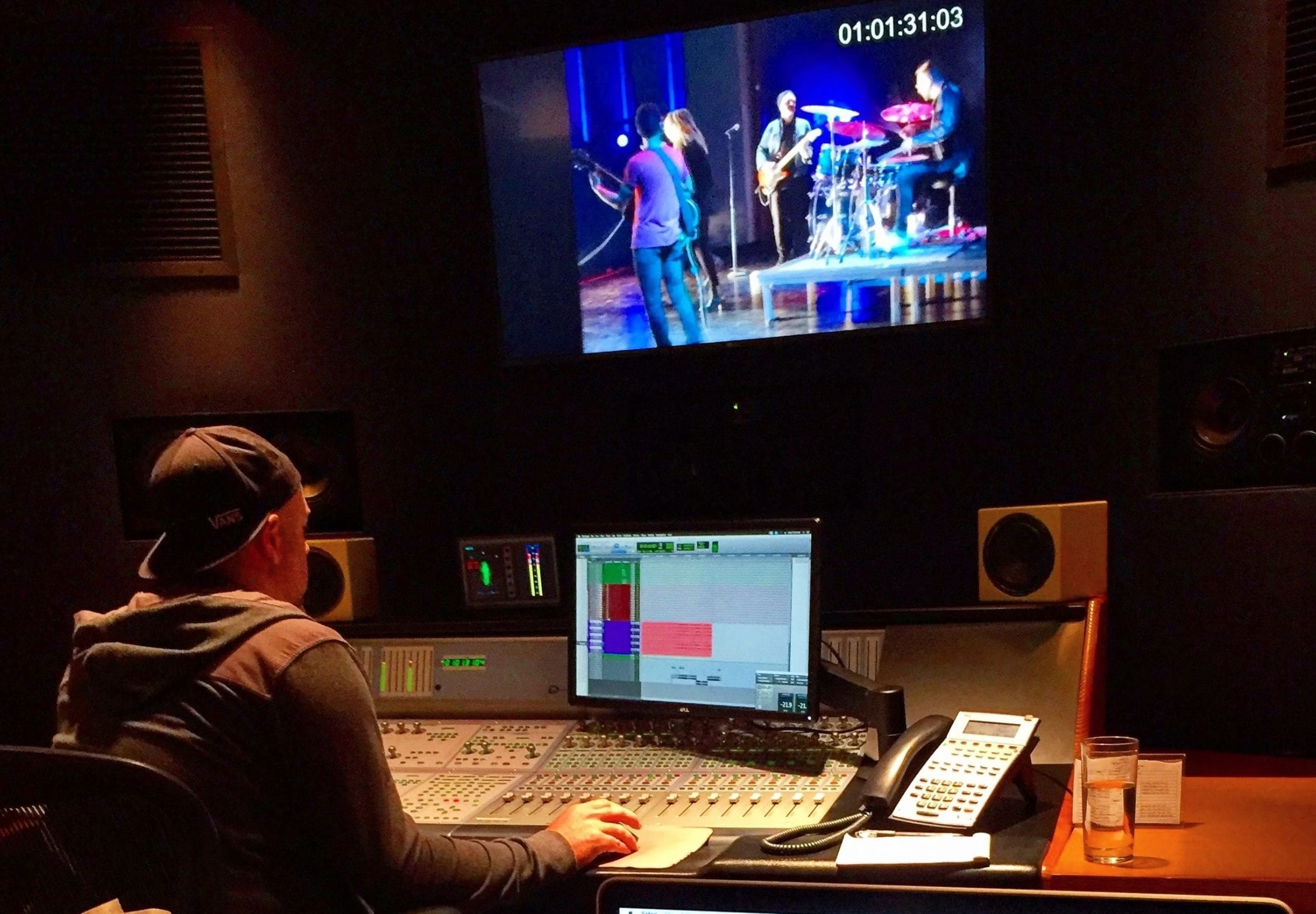
Postproduction includes more than the first edit. List graphics, animation, color, sound, music, captions, localization, aspect ratios, cutdowns, masters and any archive handoff. Establish included review stages and who consolidates feedback. Our full-service production approach connects those delivery requirements with the plan for filming.
Compare assumptions, not only totals
Ask what each proposal includes for crew, equipment, location access, shoot days, travel, talent, licenses, revisions and delivery. Identify exclusions and what would create a change in scope. A lower total may describe a different assignment. San Francisco video production, like work in New York and Los Angeles, should be budgeted around the actual sites, access and movement required rather than an unexplained city premium.
For example, two interview proposals may both promise an interview film while assuming very different days. One may cover a single prepared speaker in a quiet room; another may include three participants, a location move and a half-day of workplace coverage. Ask the producer to connect each major cost to the coverage it enables, then decide what the audience actually needs to see.
Keep optional work separate from the agreed base scope. An additional language, an animated sequence or a second filming day can then be evaluated without obscuring the cost of the primary film. If the budget needs to come down, identify the corresponding creative change: fewer locations, a simpler graphics treatment or a smaller set of deliverables. That gives both teams a shared picture of what the revised estimate will produce.
Build a dependency-based schedule
A sample sequence is brief approval, concept/script, production preparation, recording, first edit, consolidated review, finishing and delivery. Dates depend on access, casting, participant availability, graphics complexity and approval turnaround.
Set the delivery date, then agree on the decisions and materials needed at each milestone. If time is short, reduce scope deliberately rather than removing an essential review step.
Assign an owner and deadline to the inputs that can stop progress: the approved script, working product, location access, brand assets and consolidated feedback. A review date is useful only if the people authorized to approve the work are available. Build the calendar around those commitments and flag which changes would require a revised delivery date.
Prepare a useful request for an estimate
Share the audience, objective, intended use, existing script or materials, filming locations, participants, deadline, budget parameters and required versions. Identify the final decision maker and reviewers.
Ask how footage, project files, usage, music and talent permissions, captions and archive responsibilities will be handled in the proposal. Those terms should be established for the actual project rather than assumed from a general website description.