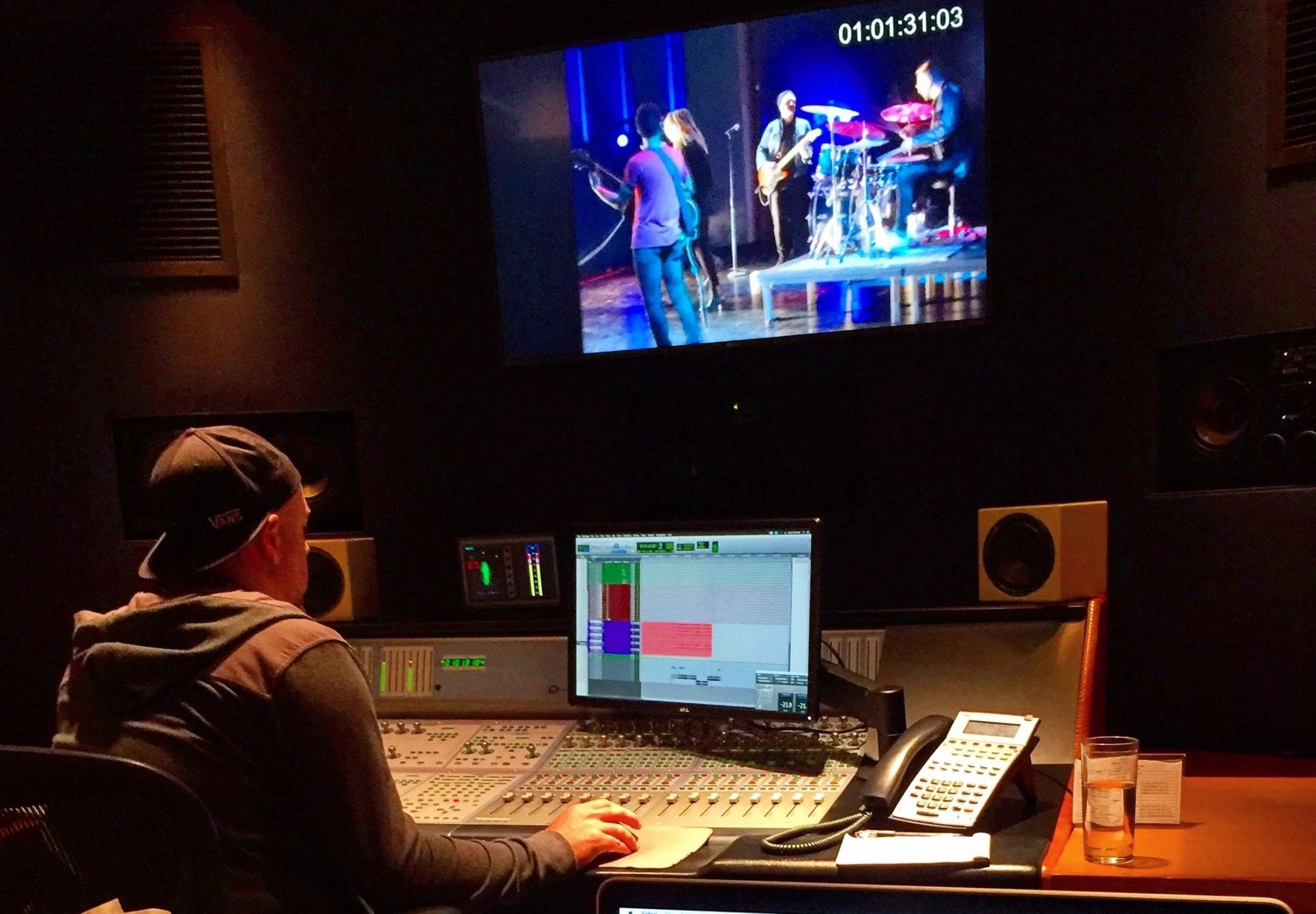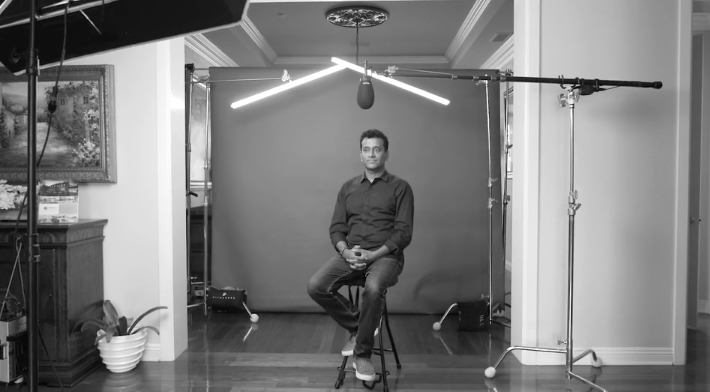
The grip and electric departments work side by side on a professional video production, but they have different responsibilities. In common U.S. film and commercial practice, the electric department provides and controls lighting and electrical power, while the grip department supports camera movement, rigging, and the equipment used to shape and control light. The two departments coordinate closely with the director of photography.
What the grip department does
The key grip leads the grip department. Grips handle physical support systems used around the camera and lighting plan. Depending on the production, that can include dollies, track, stands, frames, flags, diffusion, negative fill, rigging hardware, and other tools used to position equipment or modify the light reaching the set.
Camera movement is also a major part of the department's work. A dolly move, overhead rig, vehicle mount, or unusual camera position may require grip planning before the shoot. The crew evaluates the location, load, access, and safe working method rather than treating the setup as an improvised add-on.
What the electric department does
The gaffer leads the electric department and works with the director of photography on the lighting plan. Electricians place and power fixtures, run cable, manage distribution, and make lighting adjustments during the day. Modern productions may combine LED, tungsten, HMI, practical fixtures, and available light depending on the location and visual brief.
Lighting is not only about brightness. The department may adjust intensity, direction, color, and fixture placement to shape the subject and background. Our guide to balancing daylight with interior lighting shows why lighting decisions often involve both the room and the exterior environment.
Why grip and electric are separate departments
The distinction helps divide specialized responsibilities. Electric handles electrical power and lighting fixtures. Grip handles rigging, camera-support systems, and many of the non-electrical tools that shape light. On a larger commercial shoot, those responsibilities may be assigned to several people. On a smaller corporate production, the crew can be scaled down, but the underlying work still needs to be covered by qualified people.
The departments coordinate constantly. An electrician may place a light while a grip adds diffusion, flags spill, or builds a support frame. A camera move may require both lighting adjustments and a grip-built movement system. The collaboration is part of the wider structure described in our guide to corporate video crew roles.
Plan the department around the location
A location scout should identify power availability, ceiling height, access, windows, load-in routes, reflections, rigging limitations, weather exposure, and the space available for stands and cable. These practical details affect both the equipment package and the number of crew members required.
For corporate video production, Capitola Media scopes grip and electric staffing to the actual shot list, location, camera movement, and lighting plan. The objective is a controlled image, an efficient set, and a crew structure appropriate to the production.