Voice over shapes pace, authority, warmth, and meaning even when the speaker never appears on screen. The right voice is not simply pleasant. It must fit the audience, brand, script, visual rhythm, usage, language, and emotional role of the narration.
Cast the performance described by the brief
Define tone with useful contrasts such as informed but not formal, warm but not sentimental, or energetic but not rushed. Include representative copy in auditions, confirm pronunciation and language needs, and document territory, term, channels, paid media, versions, editing, synthetic voice restrictions, pickup terms, and session expectations.
When to Use Voiceover Talent
Voiceover talent is essential for corporate videos in several scenarios. When explaining complex information or storytelling, a professional voiceover can provide clarity and coherence. A consistent voice can help reinforce brand identity and make your videos instantly recognizable.
For international audiences, voiceovers can be crucial for translations and ensuring your message is understood across different languages and cultures. High quality voiceovers can add a level of professionalism and polish to your videos, making them more appealing to viewers.
Compare auditions using the actual script
Give shortlisted performers the same representative passage, including a technical term, a transition and a line that carries the main message. Listen for clarity, believable emphasis and the ability to shift pace without losing meaning. Evaluate the performance against the audience and brief rather than assuming authority, warmth or expertise follows from gender or accent.
Try the strongest readings against a rough picture or timed storyboard. A voice that sounds appealing alone may not leave enough room for a product demonstration or an on-screen label. Ask for a directed second take when needed, using a specific note such as “give the viewer time to absorb this step” rather than requesting more energy throughout.
Direct meaning and pacing
Explain who the speaker is addressing and what the audience needs to understand in each passage. Mark the words that carry a contrast or introduce a new idea, and read awkward sentences aloud before the session. If a line repeatedly sounds unnatural, revise the wording rather than asking the performer to force a conversational delivery onto written prose. Capture an alternate reading for an important line while the voice and recording setup are consistent.
Prepare a usable recording handoff
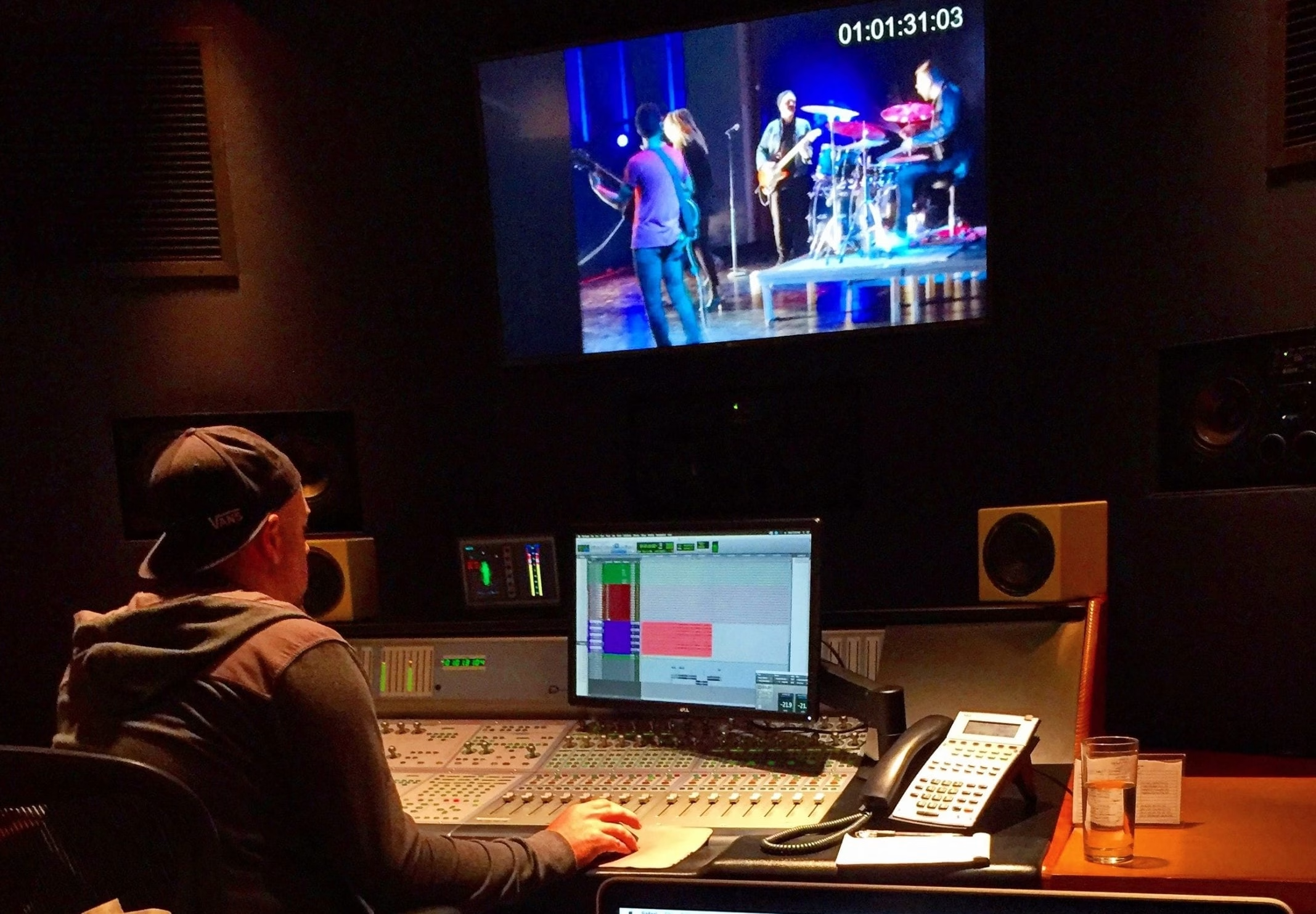
Confirm the recording specification, pronunciation guide, script version and file naming before the session. Review a short test recording for room noise, distortion and consistency, with the person responsible for the final mix involved where possible. Keep a record of selected takes and requested pickups so the editor can find the approved performance. Good preparation reduces the need to reconstruct a reading from incompatible sessions.
Choose the session around review needs
For either a remote or in-person session, identify who directs the performer, who can approve changes and how the client will listen. Test the review connection in advance and agree on how final recordings will be delivered. If several stakeholders attend, route their comments through one director so the performer receives a clear instruction.
Before wrapping, check pronunciations, alternate lines, ending options and any passages likely to change in the edit. Confirm the process for later pickups and keep the approved script with the audio. A well-organized session gives postproduction both the chosen performance and enough context to use it correctly.
Production Context: Mercer motion graphics project
Mercer motion graphics project. A graphics-led explanation is a useful context for planning the relationship between narration, labels and visual pacing. The recording and usage brief should follow the actual script and distribution.