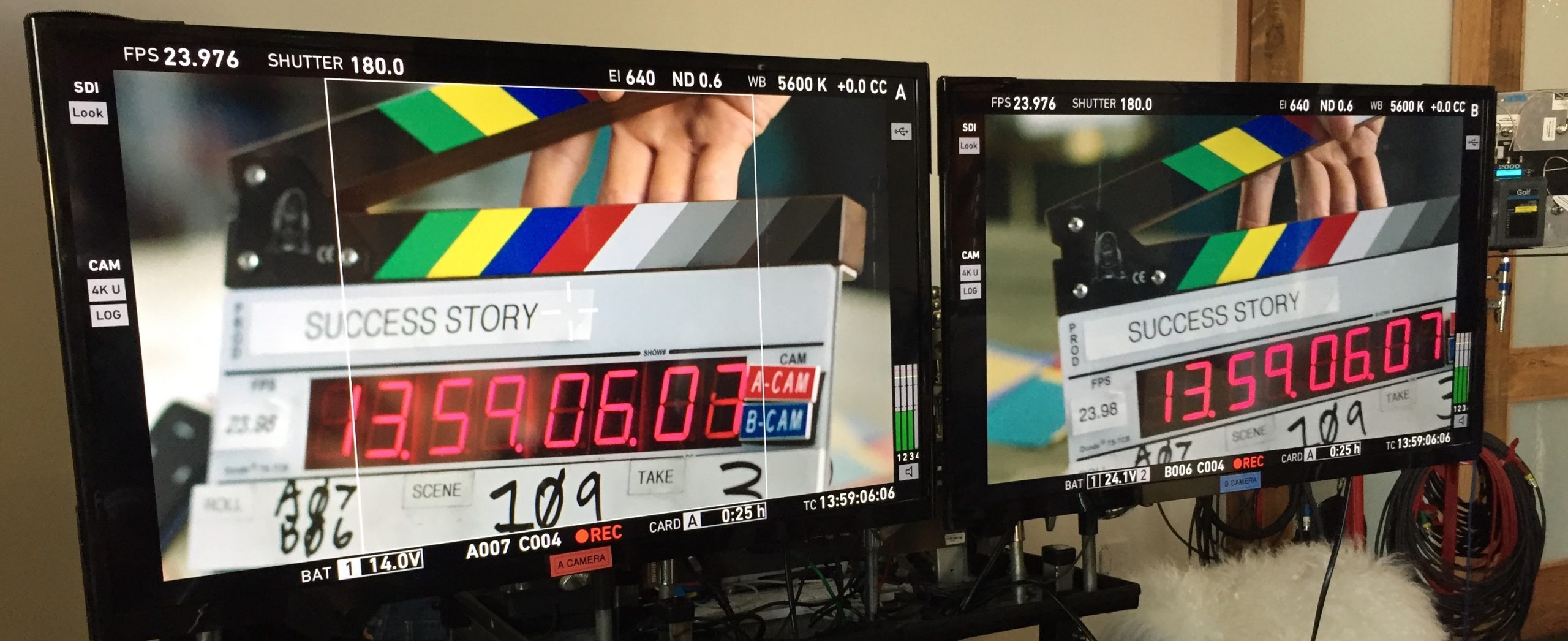
YES Semiconductor Equipment Brand Video
A brand film for Yield Engineering Systems (YES), combining an executive interview, narration, and technology imagery to explain its clean, coat, and cure systems.
Turning Materials Science Into a Brand Story
Capitola Media produced a brand video for Yield Engineering Systems (YES), a Silicon Valley semiconductor equipment manufacturer. The film connects the company’s work in surface and materials processing with the technologies those processes help bring into production, including connected devices, advanced semiconductor packaging, and augmented and virtual reality.
The story begins with an idea becoming a practical innovation. It then introduces YES’s role in transforming surfaces and materials at the molecular level. That progression gives a business audience a clear starting point before moving into the company’s clean, coat, and cure systems. The film’s central theme is the transition from research and development to manufacturing, or “lab to fab.”
Giving the Technology a Human Voice
An interview with Ramakanth Alapati in their Freemont, California offices brings a leadership perspective to the film, complementing the narration and technology imagery. This combination gives the film two complementary ways to communicate: narration establishes the broader technology story, while an executive interview adds a first-person perspective. Capitola Media’s interview video production work supports that kind of integration, where the interview contributes to a larger narrative rather than becoming a standalone talking-head presentation.
Explaining Clean, Coat, and Cure
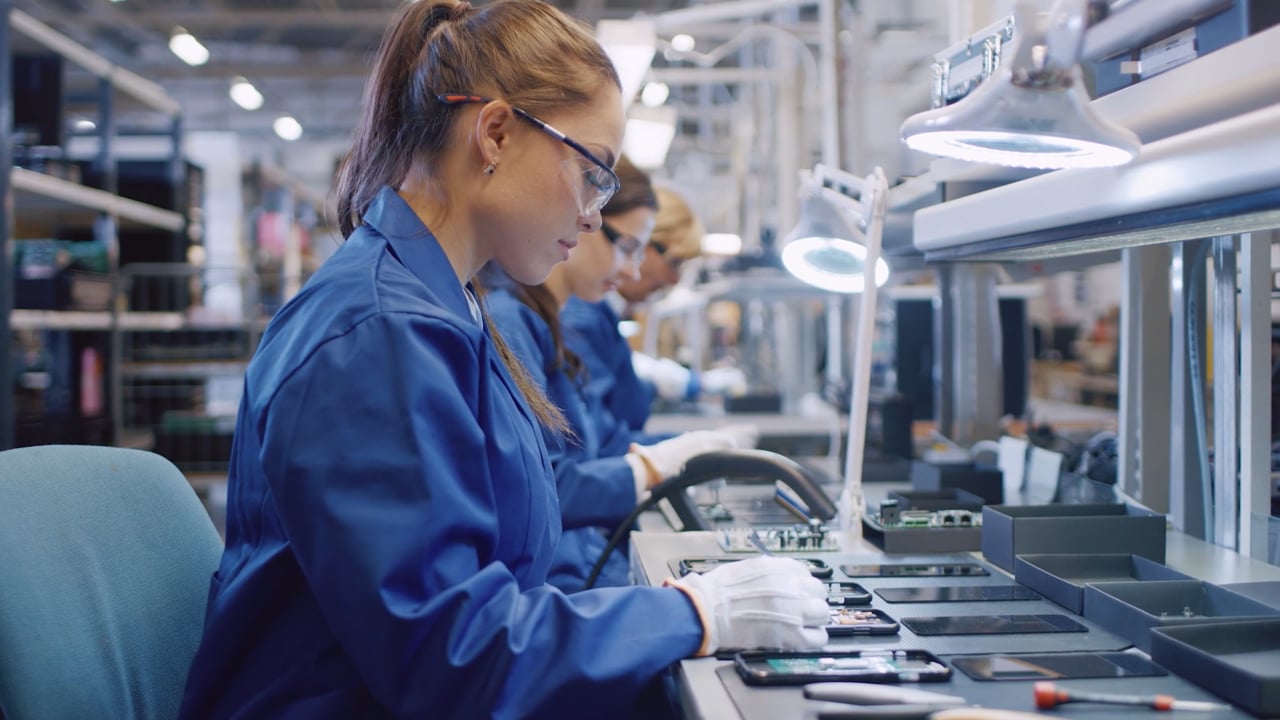
Three process areas provide the film’s technical structure. The clean segment explains how plasma prepares a substrate for processing, with an emphasis on protecting delicate electronics. The coat segment describes applying a layer just one molecule thick to change a surface’s properties. Examples include making a surface repel water for microfluidic applications or helping it hold materials used in semiconductor processing, optical films, and genetic sequencing.
The cure segment introduces vacuum processing and the removal of solvents. Together, these explanations connect specialized equipment with a practical purpose. Viewers do not need to understand every manufacturing step to grasp why surface preparation, coating, and curing matter to the finished technology.
Connecting Equipment to Everyday Applications
The film moves between industrial processes and recognizable applications, including cell phones, server farms, the Internet of Things, genomic sequencing, and virtual reality. It also connects advanced packaging with AI and 5G infrastructure. These examples establish the reach of the underlying technology without making the equipment itself the only subject of the story.
VR imagery and product visualization help connect the microscopic scale of materials processing with the devices people use. That relationship is particularly useful in brand video production for an enterprise technology company: the audience needs to understand both what the company does and why its contribution matters.
Localization
Following delivery of the English-language video, Capitola Media produced Mandarin and Korean versions for YES’s major overseas markets.
A Focused Film for a Technical Business
The edit brings the interview, narration, and supporting imagery into a compact introduction to YES. Its sequence moves from the promise of innovation to the company’s process capabilities and then to applications in production. The clean, coat, and cure structure keeps the technical explanation organized while the broader lab-to-fab theme gives the film continuity.
For Capitola Media, the project demonstrates how corporate video production can explain specialized manufacturing technology through a clear brand narrative. The finished film connects an executive’s presence, equipment capabilities, and end-user applications in a format designed to introduce the company and make its role understandable.
Have a project in mind?
Tell us what you are making, who it needs to reach, and where production needs to happen.