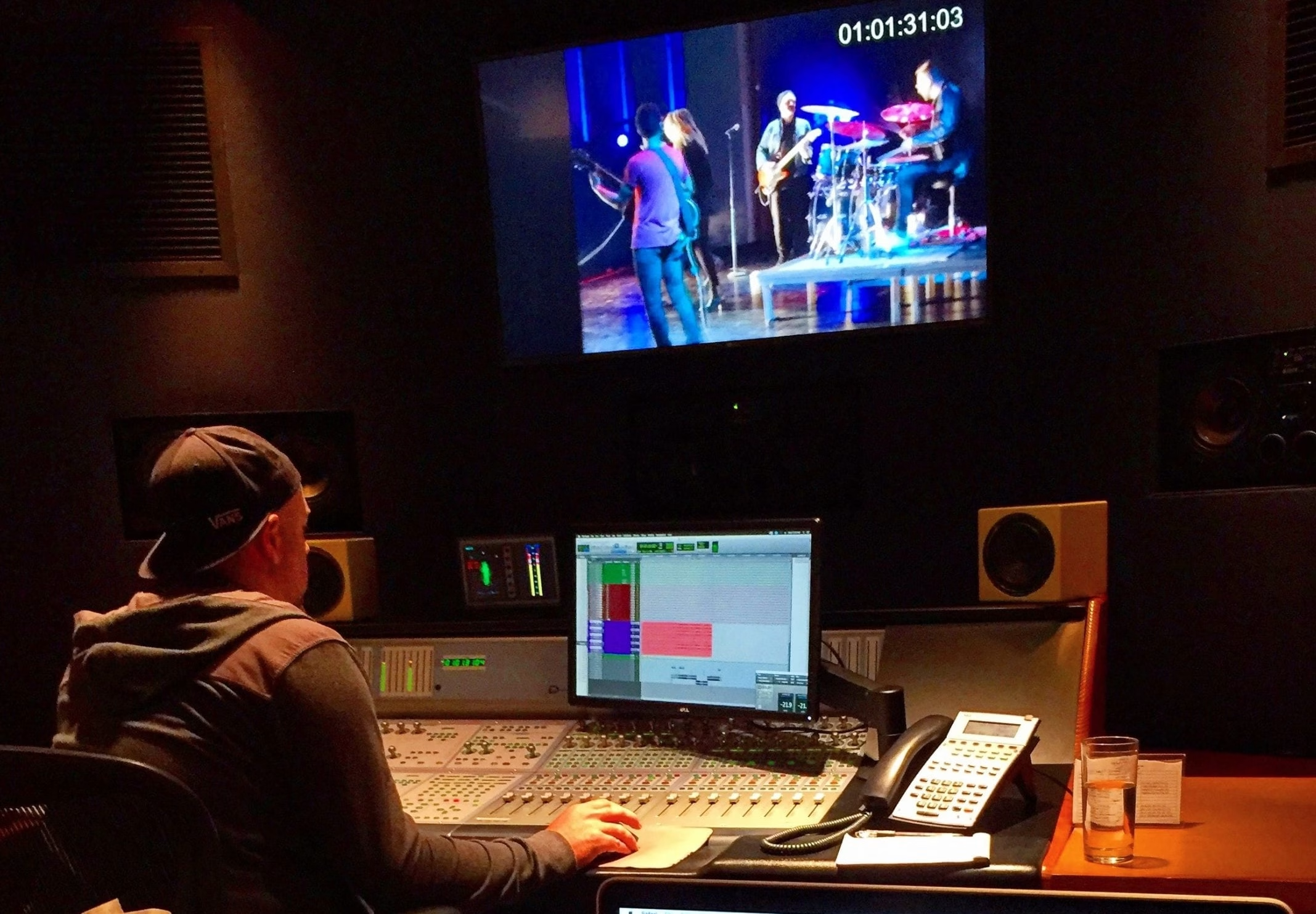
A filming location must work for the story and for the production. An attractive room can become a poor interview setting if ventilation overwhelms dialogue, windows cannot be controlled, or equipment cannot reach the floor. Location scouting tests those conditions before the crew arrives.
The right choice balances appearance, operational needs, and total cost. For corporate videos and commercials, a useful scout examines how the space will function at the intended time of day with the actual people, equipment, and activities the shoot requires.
Translate the creative brief into location requirements
List what the audience needs to see: a credible workplace, a particular architectural style, an exterior environment, or room for a product demonstration. Identify the scenes, approximate crew size, performers, and special equipment. Note any need for multiple looks within one property.
Separate essentials from preferences. A distinctive background is useful only if the team can record the scene successfully. In commercial video production, art direction may transform a flexible location more effectively than an expensive property that offers little control.
Scout light at the planned shooting time
Observe window direction, sun movement, reflections, and the contrast between interiors and exteriors. Photograph proposed camera angles and note the time of the visit. Ask whether blinds, practical fixtures, or other lighting can be adjusted and who can authorize those changes.
A room that looks excellent in the morning may behave differently later. Exterior shoots also need a weather plan and an assessment of exposure, wind, and changing conditions. Establish whether a covered alternative or another date is practical before the location is confirmed.
Listen before committing to an interview space
Pause and listen for traffic, elevators, refrigeration, construction, public announcements, and neighboring activities. Ask about noise that was absent during the visit but may be present on the shoot day. Confirm building schedules and whether noisy systems can safely be controlled.
A room's size and surfaces also affect recorded speech. A quiet space with hard reflective walls may still need acoustic treatment. For interview video production, involve the sound team when the environment presents a significant challenge rather than assuming every problem can be removed later.
Map access, facilities, and the working footprint
Measure doorways and check elevators, loading areas, parking, power access, restrooms, holding space, and equipment storage. Confirm access hours with the person responsible for the building. Include setup and restoration time, not just the hours when cameras will be recording.
Consider everyone who uses the property. Employees, customers, residents, and delivery teams may need uninterrupted access. Plan cable routes and equipment positions with the appropriate crew members and location contact. Keep emergency exits clear and identify any areas the production must avoid.
Confirm permissions with the responsible authority
Identify who controls each location and what written approvals the proposed activity requires. Property consent and permission to use surrounding public space are separate questions. Requirements depend on the jurisdiction, property, and production footprint, so verify them for the actual shoot.
For San Francisco video production, consult Film SF's permit guidance and the relevant property authority. Discuss insurance, parking arrangements, notices, and any special activity early. Do not assume a previous permit or another city's process applies.
Compare the full production cost
A lower location fee may be offset by travel, company moves, restricted hours, extensive lighting, or extra crew. A more adaptable space may allow several scenes to be completed without relocating. Compare the total plan, including preparation and restoration, before making the choice.
Document the selected angles, restrictions, contacts, access instructions, and backup plan. A technical scout with key department heads can resolve the remaining details. Capitola Media evaluates locations around both the finished image and the conditions required to create it, whether the production is in the Bay Area, New York City, or Los Angeles.