Filming in a workplace connects the people in a story with the surroundings and activity of their daily work. It also means fitting a production into a functioning business. A useful location plan connects what the camera needs with what the people using the space need that day.
Choose a location that contributes to the story
Start with the scenes the film needs. An interview may benefit from a view into an office, while a process demonstration needs access to the actual equipment and people doing the work. Consider how the interview setting and supporting footage will fit together in the edit.
For our GoDaddy film featuring Ayesha Curry, her Oakland offices provided both the interview setting and footage of her working environment. The location gave viewers context for the person speaking.
Choose a visually interesting space
Look for depth, tall ceilings and some natural light. Tall ceilings give the crew more room to position lighting, while windows can help shape the image. Scout at the planned filming time to see how daylight falls and how it may change during the interview.
A visually interesting location may be worth working around some background noise. Assess whether the sound can be managed through microphone placement, scheduling or coordination with the location. The goal is clear dialogue while making the most of the setting.
For an Audi USA executive interview in San Francisco, Capitola Media combined a teleprompter-equipped primary camera with a Ronin-mounted second camera, professional sound and client monitoring. A setup like this requires space for both camera positions, the speaker’s eyeline and the crew supporting the recording. When scouting an interview location, assess those working positions alongside the background that will appear on screen.
Confirm equipment access, parking, elevators, power and space for people waiting to appear on camera. Identify screens, documents and restricted areas that should stay out of the frame. Agree with the location contact on where filming can take place and when rooms must return to normal use.
Build the schedule around access
Reserve time for setup before participants arrive. Group nearby scenes where possible, and distinguish essential footage from shots that can move if an interview runs late. For an active facility, work with its staff to identify suitable filming windows and follow its site requirements.
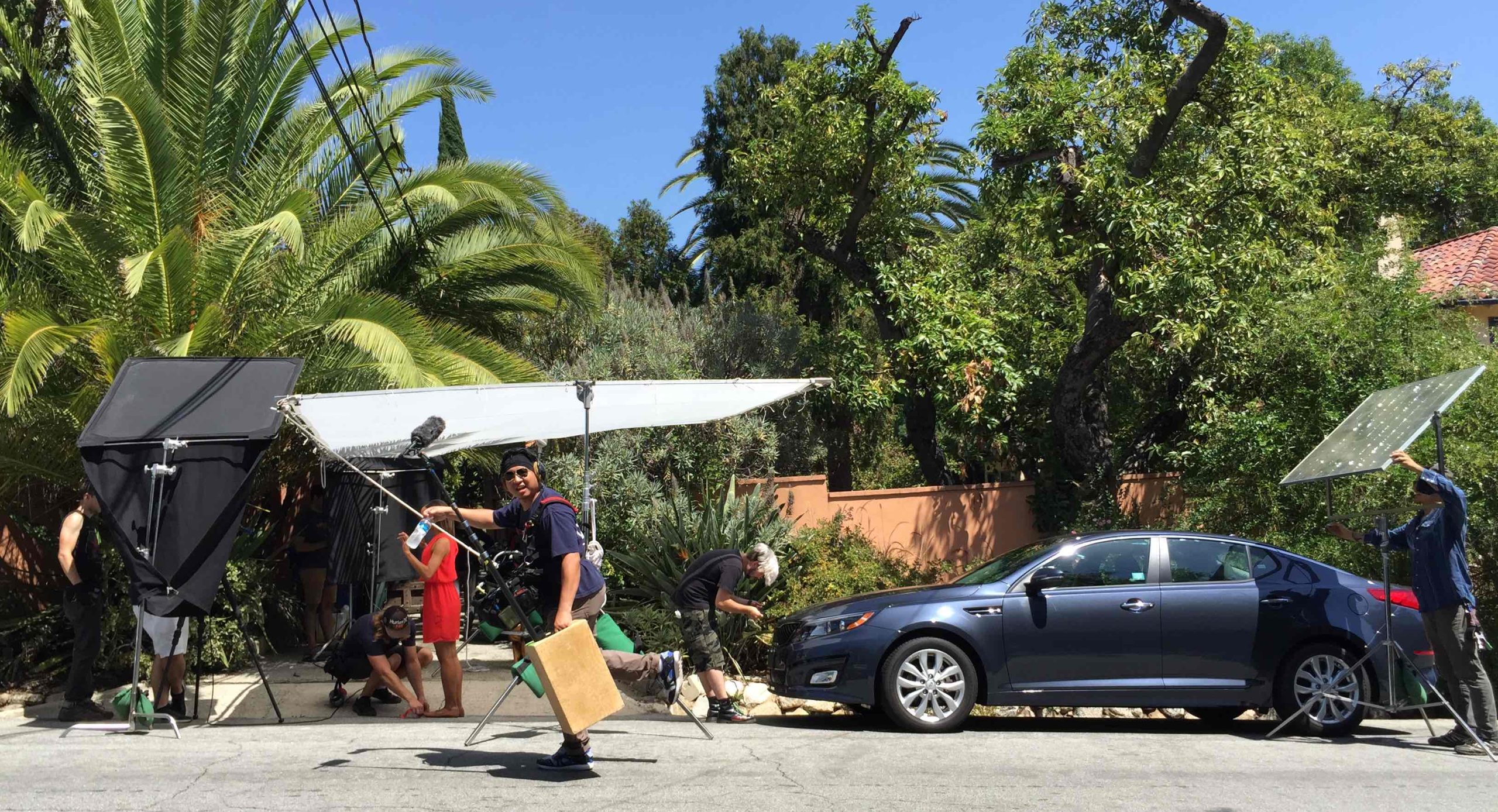
Plan for camera and lighting turnarounds when filming in different directions within the same space. Allow time to reposition equipment and adjust the background, and group shots by setup where practical.
Capitola Media hires and manages local crews, bringing key production personnel where needed. This can reduce travel and equipment-shipping costs. The crew and equipment plan should reflect the space, schedule and work being filmed.
Keep several locations visually connected
When filming across offices or facilities, share references for framing, backgrounds, lighting and interview eyelines. Record camera and sound settings so each crew has a clear starting point. Locations can retain their own character while contributing to the same film.
When several interviews will appear in the same film, plan a mix of subjects framed on the left and right, with eyelines directed into the frame. Coordinate these choices across production locations so the edit has visual variety while maintaining consistent framing and lighting.
Before leaving each site, check that the team has the required interviews, supporting shots and usable sound. Resolve gaps while the people and location are still available.