Training Video Production
Clear, engaging training videos for onboarding, safety, compliance, software, technical instruction, workforce development, and continuing education.
Training Video Built Around a Task or Learning Objective
Capitola Media produces training content that helps a defined audience understand or complete a task. The production begins with the learning objective, the learner’s starting knowledge and the evidence needed to explain the process clearly.
Organize the instruction
A software workflow, equipment demonstration and employee orientation need different levels of detail. Define what belongs in each module and what can be supplied as supporting material. A short module should still contain enough context for someone to use it independently. Subject matter experts identify the correct sequence, terminology and exceptions. We shape the script, demonstrations, screen capture, interviews or graphics around that approved information.
Choose the right kind of demonstration
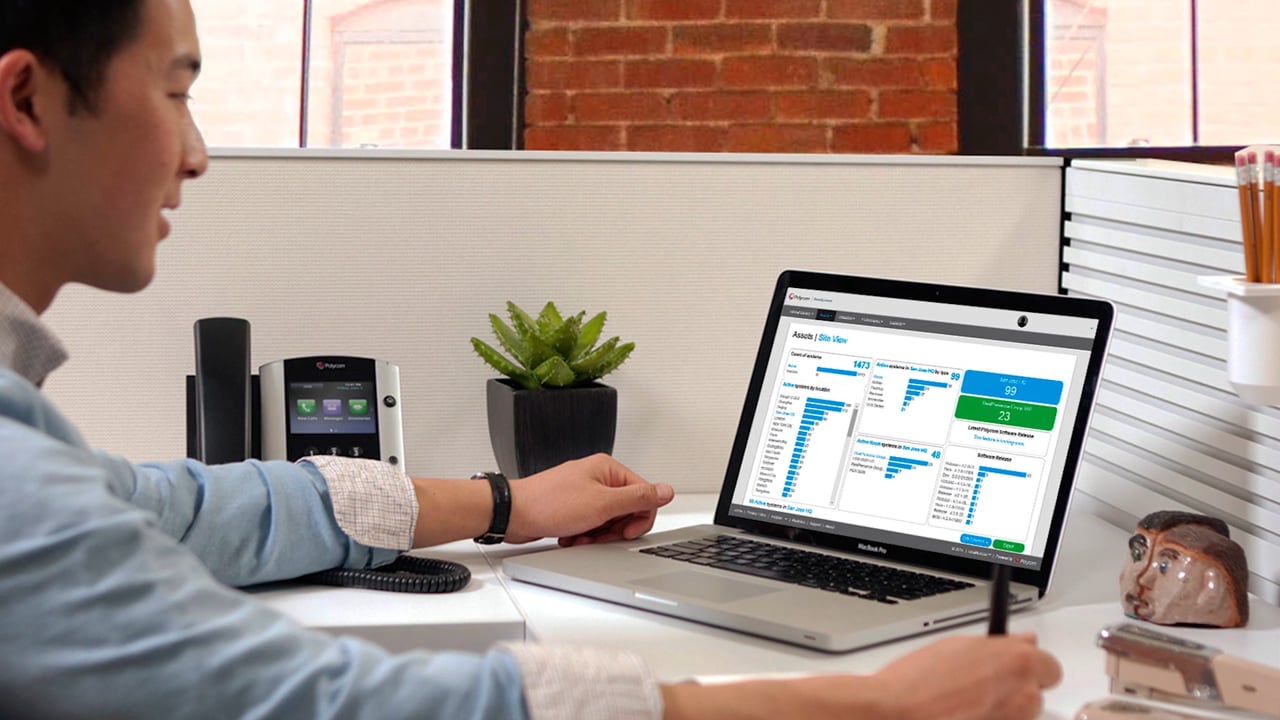
Our Polycom RealAccess training series, including Video I and Video II, shows how software instruction can connect an explanation with a recognizable interface and workplace. RealAccess provided monitoring and analytics for enterprise video-conferencing systems. The Polycom business is part of Poly, owned by HP Inc. Our product demo service introduces an offering, while training develops the practical knowledge needed to use it.
Translate expertise into a teachable sequence
We work with the client’s subject matter experts to establish what learners should be able to do after watching. That outcome guides the script, the level of explanation and the coverage needed for each step. An experienced employee may need only a focused update, while a new team member may need the purpose of the process, its starting conditions and a clear view of the completed task.
A useful script connects spoken instruction with what the learner will see. If a step involves selecting a control, positioning a component or interpreting a result, the corresponding image must make that action visible. We also identify where an example, comparison or brief explanation of a common mistake would prevent confusion. The goal is an instruction sequence a learner can follow, not a filmed version of a dense manual.
Capture the details that make instruction usable
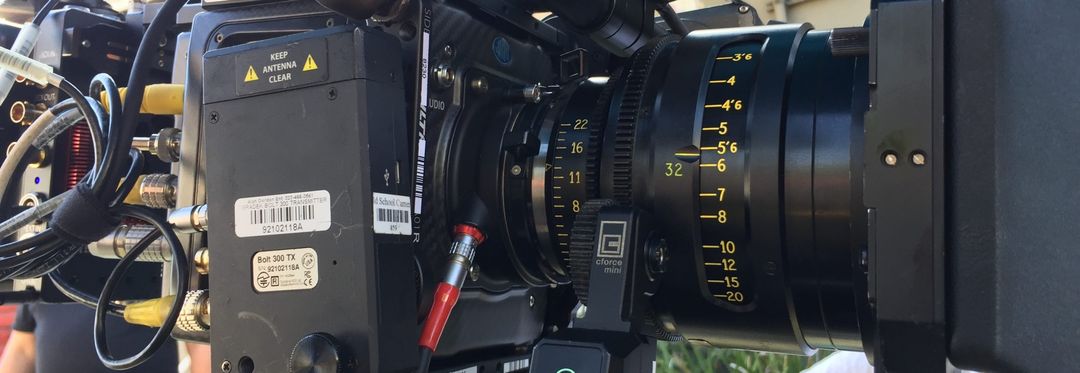
Training production may combine a presenter, demonstrations, screen recordings, close details and explanatory graphics. We plan the camera positions and pacing around the task so hands, tools, labels and interface actions remain visible. The demonstrator and technical reviewer help confirm that the recorded sequence represents the approved method before the setup is released.
Modular content can separate distinct tasks while keeping related material consistent. Each module needs its own introduction, prerequisites where relevant and a clear ending, so it remains understandable when accessed independently. Shared graphics and terminology help connect the modules without requiring a long company introduction at the beginning of every lesson.
Maintain the content as processes change
Reviews should test both accuracy and comprehension. The expert checks the procedure, while someone closer to the learner’s starting knowledge can identify a missing explanation or an unclear view. We build the agreed corrections into the edit before final graphics, sound and language versions are completed.
A delivery record can identify each module, version, language and responsible owner. When a process or interface changes, that structure makes it easier to locate the affected material and define an update. Share the learner group, task list, existing documentation, intended platform and approval team so the production can be scoped around useful instruction and manageable maintenance.
Plan review and delivery
Instructional accuracy, participant uses and any safety or regulated statements follow the client’s designated review process. Identify reviewers before filming so the production captures the approved method.
Define captions, transcripts, languages, aspect ratios, chapter/module naming and the required playback or learning-platform specifications. Do not assume an edited video includes an assessment, course package or platform integration unless those are in scope. The training planning guide and captioning guide address related preparation and delivery decisions.
Need the right production approach?
Tell us what you are making, where it needs to work, and what success looks like.